being surface
Despina Zacharopoulou, Performance Artist / academic
Content warning: text & images contain elements of violence that might disturb sensitive audiences.
Introduction
This paper problematizes the ways in which performance art might be philosophy, and vice versa, that is; how philosophy might operate as embodied praxis and method. The performance practice under discussion stands as the research’s starting point, method and output, with all the works brought forward being conceived and performed by myself. However, the deliberate use of a third-person phrasing (e.g. ‘the performer’, ‘the artist’) while describing these performances serves as a strategic methodological choice of narration, so as to avoid oversentimentality, egocentrism, and a sense of diary/confession writing, even more so due to the already quite visceral character of the live works presented.
The text’s main hypothesis is based on the argument that philosophy, though predominantly thought of as a rational ideological construction, is essentially an invitation towards change and a method on how to lead one’s life (Hadot 2001, 148). This position has been particularly stressed by philosophers Pierre Hadot and Michel Foucault, who revisited ancient Greek philosophy to indicate how embodied practices might operate as methodologies for leading one’s life. Hadot approached this question through his research on practices of indifference as indicated by the Stoic tradition and early Christian texts (Hadot 2001). As for Foucault, in the late years of his life, he focused on the notion of parrhēsia (Greek term indicating a particular kind of courageous truth-telling) as practiced by Socrates and Diogenes, as well as by the Cynics and early Christian ascetics (Foucault, 2011). The Cynics, who stood as a singular paradigm of philosophy as a way of life, instead of writing texts or constructing systematized theoretical dogmas, disrupted the public sphere via their own naked bodies, scandalous corporeal practices and provocative intra-actions (Barad 2007, 33), so as to reveal a life as scandal (Foucault 2011, 173–174, 269). Foucault’s interest in the Cynics was part of his larger research on a new hermeneutics of the subject (Foucault 2005) inextricably linked with a stylistics of life that would comprise technologies of the body in the form of care of the self and others. It is in that respect that one should look at Foucault’s engagement with sadomasochistic practices; as a laboratory (Rabinow 2000, 151) for “the creation of new forms of life” (Rabinow 2000, 164).
In light of the above, this text discusses how performance strategies related to violence might suggest a radical re-thinking and revisiting of philosophy as embodied practice and method towards a life-as-surface, that is; a life experienced in its full intensity and in pure joy. Violence in the context of this research is defined as any force exercised among bodies at the moment of their encounter, with its effect having a severe impact on the bodies upon which it is applied. The way that violence operates in the live works put forward, differentiates itself from what seems to be at stake in existing examples in the field of performance art discourse, and brings to light alternative points of view than those already argued in the relevant bibliography. For example, Kathy O’Dell, in her book Contract with the Skin (1998), grounds her main argument on Gilles Deleuze’s interpretation of the written contract established between Severin and Wanda in Sacher-Masoch’s Venus in Furs (1870). Deleuze argues that a ‘masochistic contract’ was set up by Severin to instruct Wanda how to best satisfy his masochistic needs (Deleuze 1989, 20). Unfortunately, Deleuze—and therefore O’Dell—confuses Severin with a masochist, whereas he is basically a slave/submissive, meaning that what he is essentially in need of is not to get as much pain as possible by ‘using’ Wanda via the contract, but to fully submit to his Mistress/Owner’s will. The contract in this case would be but Severin’s ethical commitment towards his complete submission to Wanda, not a tool of instruction on his behalf! Starting from this misinterpretation, O’Dell identifies pain practices in 1970s performance art as a sort of ‘masochism’ that aims at establishing a ‘masochistic contract’ with the audience. However, such a general categorization, not only is based on a false argument—as already indicated—but is also quite problematic due to its references to psychopathology (Krafft-Ebing 1895), that tend to pathologize pain practices in performance art. The consequences of such a move are not irrelevant to the comments that Marina Abramović received for her early works: “I was nothing but an exhibitionist and a masochist, they said. I belonged in a mental hospital they claimed” (Abramović 2016, 67).
On the contrary, in the live works discussed, pain practices in performance art suggest an alternative view of violence, now operating as a technological apparatus for the generation and distribution of intensities within each work, via the transmutation of the performer’s body into flesh, stripped of any given subjectivities. In so doing, the performances at stake, manage to operate as fields occupied only by intensities, thus overlapping with Artaud and Deleuze and Guattari’s notion of the Body without Organs (Artaud 1988, 571; Deleuze and Guattari 2013, 177–8). Therefore, the images created by the performer’s postures, movements and/or marks on the skin, would be but a manifestation of forces traversing the artist’s body at any given moment. In this way, the performer essentially takes the risk to reveal—while also protecting—a life which is radically other, a life affirmed as it is and as it is lived, without any ideological or moral presuppositions. Consequently, what is at stake in the performance practice presented, would be an invitation to a new ethical life.
Philosophy as a way of life
For French Philosopher Pierre Hadot, ancient Greek philosophy was not about the creation of concepts as coherent ideological systems of thought carrying absolute truths. On the contrary, most of ancient Greek philosophers tended to have inconsistences and contradictions in their texts, not because they had errors and thus failed to create a perfectly consistent theory, but precisely because ancient Greek philosophy was not a system but a method that allowed one to see the world differently and change their way of life:
[T]he ancient philosophers weren’t looking above all to present a systematic theory of reality, but to teach their students a method in order for them to be equally oriented in their thinking but also in their life. (Hadot 2001, 148, my translation.)
Therefore, for Hadot, Greek philosophy was first and foremost a set of spiritual exercises that served as an indication for and an invitation (protreptic) to a true life, including practices such as: detachment from oneself, surpassing of all dualities, mnemotechny, dialogue, concentration in the present, preparation for death (preparatio mortis) and the difficulties of life, confession, meditation, and breathing exercises (Hadot 2001, 114, 119, 145, 146, 149, 153, 252). Ancient Greek philosophy was thus both: (a) a kind of methodology for someone to find the tools and the ways to lead a true life, and (b) true life itself.
Michel Foucault, in his 1983–1984 series of lectures at the Collège de France dedicated to the subject of parrhēsia, presented the case of the Cynic scandal as a philosophical example of a true life, as a life which is radically other (Foucault 2011, 269–270). For Foucault, the particularity of the Cynics resided in the fact that they had no written texts or a philosophical doctrine to comply to. On the contrary, philosophy for them was literally practiced through their scandalous way of life committed to simplicity, dismissing all material possessions, social conventions and behavioural patterns (Foucault 2011, 270). The Cynic scandal consisted precisely in practicing an extreme form of life that would disrupt the public sphere and stand as a set of parrhēsiastic corporeal practices among the Athenian citizens. Diogenes, being the seminal example of the Cynic life, had no possessions at all, and became well-known for living inside a big urn and wandering in the city while holding a lamp—even during daylight—’looking for humans.’ Diogenes used to eat and masturbate in public, seeing no division between the private and the public (Foucault 2011, 171). Whenever other people scorned him he would respond in unexpected ways (e.g. barking at them) that would always serve as a philosophical statement made directly through the body. In that respect, one could argue that the Cynics not only were the most tangible example of philosophy as a way of life, but also stood as a predecessor of performance art in the public sphere, as it would be seen much later on in the political actions of the early twentieth century avant-garde (e.g. Dada), 1960s Happenings, and contemporary performance art.
Foucault’s research on a stylistics of life via embodied philosophy did not reside only in his books and lectures, but was also manifested in his own engagement with the San Francisco gay leather scene. It was the quest for new tools of technologies of the self that drove his interest towards practices of pain and violence as a possible means towards a new hermeneutics of the subject (Rabinow 2000, 141–156, 163–173).
Performance-as-surface
In line with Hadot and Foucault’s philosophical enquiries, the performance practice presented here is an attempt to rethink contemporary performance art as philosophy, and to revisit philosophy as embodied practice and method. It does so by resituating performance art as surface: as a field occupied only by intensities. The notion of the surface used here is simultaneously informed by recent scientific investigations such as non-Euclidean geometries employed by super-string theory, but also by modal ontologies and philosophical paradigms suggesting an understanding of the world as a field for the free play of forces.
Surfaces are one-sided topological entities. Examples would include Möbius strips, Klein bottles, and toruses (or ‘donuts’), among others. A way to help one visualize such one-sided manifolds circulated by forces would be the fabric of spacetime, as envisioned by Albert Einstein in 1915. For Einstein, spacetime was not an even surface, but it disposed curvatures that shifted and changed in relation to mass-energy concentrations at any given moment. Recent scientific research regarding spacetime and the quest for a unified theory, has led scientists to seek more complex surface models that would refine Einstein’s four-dimensional fabric, so as for it to be applicable both in quantum physics (microcosm) and general relativity (macrocosm). One of such types of surfaces would be the Calabi-Yau manifold, as it appears in super-string and M-theory (Greene 2000, 207–9). The Calabi-Yau manifold allows one to start thinking of more complex surfaces than the stretched fabric of spacetime. According to super-string theory, the entirety of the cosmos consists of vibrating loop strings forming a vast matter-energy continuum. Thus argued, the problem of the undecidable nature of elementary units, behaving either as particles or as waves, seems to have found an answer (Holzner 2013, 18). Within this continuous field of vibrating strings, string theorists suggest that spacetime might nest even smaller, ‘hidden’ dimensions in the form of manifolds, such as that of the Calabi-Yau shape. This decisive hypothesis of potential extra nested dimensions allowed scientists to move even further towards a unified theory, since the vibration of strings within these ‘hidden’ dimensions would make the same string behave differently once situated in each one of them. This meant that scientists wouldn’t have to shift to different systems of reference across different scales; one theory would fit all (Greene 2000, 315). Having said that, what is important for one to grasp, so as to also start visualizing performance art differently, is the cosmos as a continuum of an economy of forces of vibrating matter-energy, channelled via different configurations-topologies that shapeshift in a ceaseless flow. Tensions circulating within these surface topologies may engender folds, creases, and ‘valleys,’ but also rips and tears (Greene 2000, 263–4). The dynamic character of surfaces allows them to mutate and shift according to the way that forces are being channelled while inhabiting those surfaces across different directions, in various intensities and nomadic distributions. Surfaces might not only change shape, but they might also generate new singularities or even new surfaces from the singularities produced. Whether all these scientific theories are proven to be correct or not, the consequences of these complex conceptions of surface are enormous for the way that one might start grasping the world and performance art,. From now on, one would be able to start looking at live art in terms such as: circulation, forces, groundlessness, morphogenesis, duration, multiple singularities, and singular multiplicities.
Philosophers such as: Spinoza, Sade, Nietzsche, Lyotard, Klossowski, Bataille, Deleuze, Barad, Golding, and others, have articulated a discourse away from metaphysics and essential categories, and have suggested paradigms of the world seen as a dynamic field of forces. The “image of thought” (Deleuze 2004, 171–221) represented by the aforementioned thinkers would often be visualized as skin, surface, or plane, conveying the idea of a continuum inhabited by intensities. In Lyotard’s case, this would be a “great ephemeral skin,” a one-dimensional libidinal surface and/or a Möbius strip that would result after spreading open the body’s surface (Lyotard 1993, 19–58). It is in a similar way that Johnny Golding in her text “Pariah Bodies” saw the vast libidinal network of sexual entanglements within the gay and lesbian community as a shared skin (Golding 1996, 172). In Spinoza’s case the world would be visualized as a “plane of immanence,” an idea that would strongly influence Deleuze’s thought as well (Deleuze 1988, 122). Affinities could also be found with Deleuze and Guattari’s idea of the “rhizome,” described in their work Mille Plateaux (1980) as an entity “with no beginning or end” (Deleuze and Guattari 2004, 26). It is in the same book that the two philosophers revisited Artaud’s idea of the Body without Organs (BwO), thus offering another way to visualize the idea of the surface:
[…] the BwO is not a scene, a place or even a support upon which something comes to pass. […] It is not space nor is it in space; it is matter that occupies space to a given degree—to the degree corresponding to the intensities produced. (Deleuze and Guattari 2004, 177–8).
The live works presented in this text invoke surface topologies both as a new spatio-temporal paradigm and as an onto-epistemological move that would allow performance art to be seen as an economy of circulation of intensities, echoing in a sense the way that Klossowski envisioned the world as a ceaseless ‘exchange of impulsive forces’ happening against one’s sense of unified self:
[…] these exchanges cannot take place without leaving behind traces or ‘notations’ of what has been extracted and exchanged. The phantasm is indebted to the organism just as the pleasure or pain experienced by the individual are indebted to the phantasm that procures them for the individual. This is the ‘debit balance’ [solde débiteur] of individual unity. (Klossowski 2017, 62)
Therefore, the hypothesis adopted would be as follows: in order for performance art to operate as surface, it would be necessary for the performer’s body to abolish all given subjectivities via its transmutation into flesh, into matter inhabited only by intensities. This is precisely the role of violence in the performance practice at stake; to operate as a mechanism that would turn the performer’s body into flesh, build and distribute a nexus of forces within the work.
Works of violence
Following from violence’s definition as any force exercised among bodies at the moment of their encounter, with its effect having a severe impact on the bodies upon which it is applied, the works of violence brought forward could then be distinguished into two further subcategories of performances: (a) performances in which violence takes place at a time prior to the performer’s appearance in front of an audience, and (b) works in which violence takes place during the ‘actual’ performance, either live or in a video format reproducing an action that has already happened in the past (during a performance piece or within a private consensual environment). In the first subcategory (a), violence is presented either through marks left on the performer’s body as a trace/remainder, e.g.: bruises, imprints, and/or abrasions, or is implied through rituals of care that would constitute the ‘actual’ performance work, called upon to manage violence’s traumatic remainder.
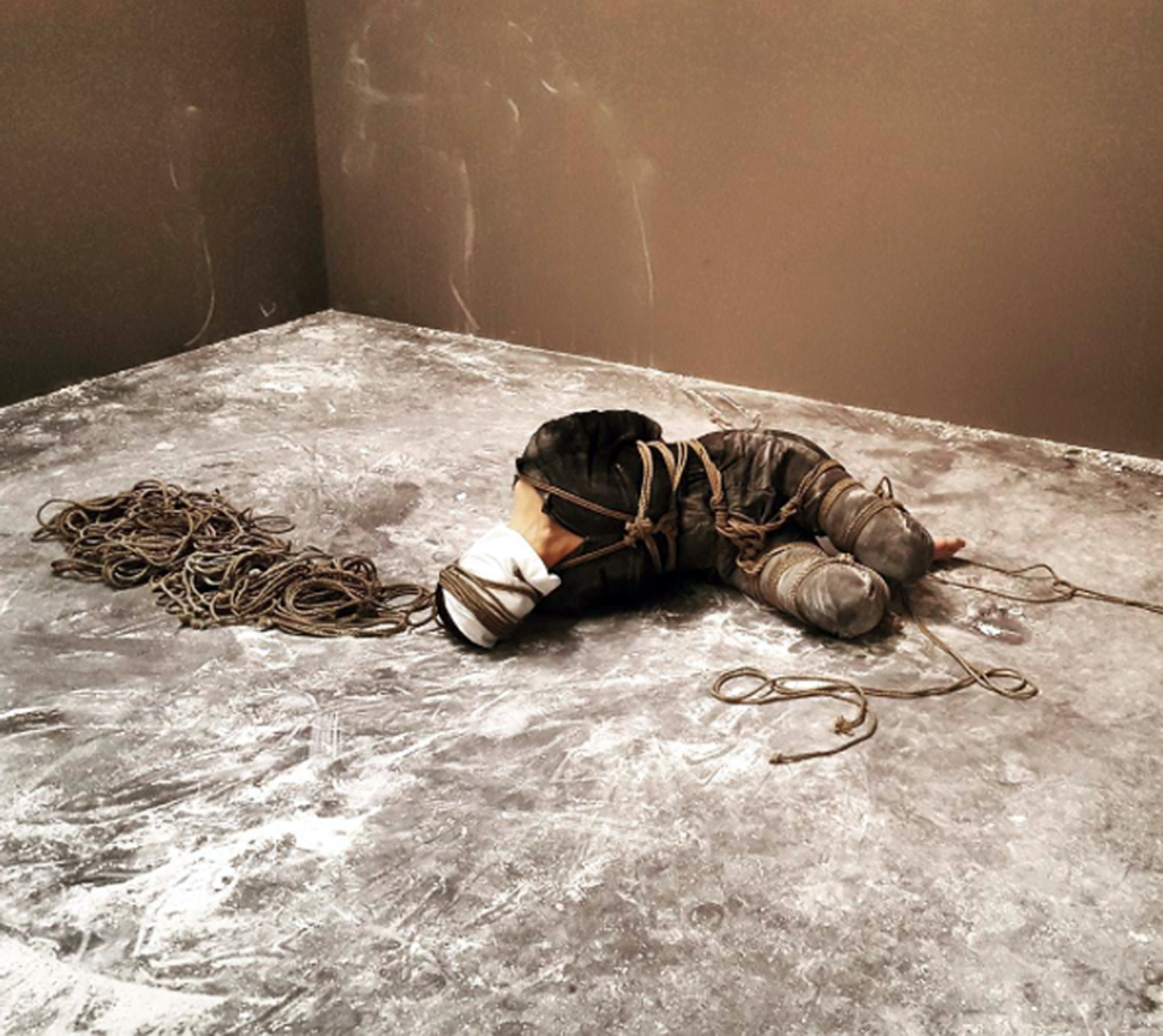
Image 1: Despina Zacharopoulou, Corner Time, 7-week (324 hours) long durational performance, commissioned by the NEON Organization and the Marina Abramović Institute (MAI), AS ONE, Benaki Museum, Athens, Greece, 10 March–24 April 2016. Photograph by Kyveli Dragoumi.
Corner Time (2016) would be a performance belonging simultaneously to both subcategories of works just described, since, due to its long duration (8 hours per day / 6 days per week / for 7 weeks / 324 hours in total), any scenes of violence, performed mainly through Japanese bondage techniques (shibari/kinbaku), sometimes took place in front of the public, while others not, depending on whether there were any visitors in the performance space at that particular moment. Depending on each bondage scene’s duration, intensity, and area of application, it was often the case to have rope marks on the performer’s skin, thus testifying the preceding event of restriction to those members of the public who entered the space after the ‘actual’ event of violence was over.
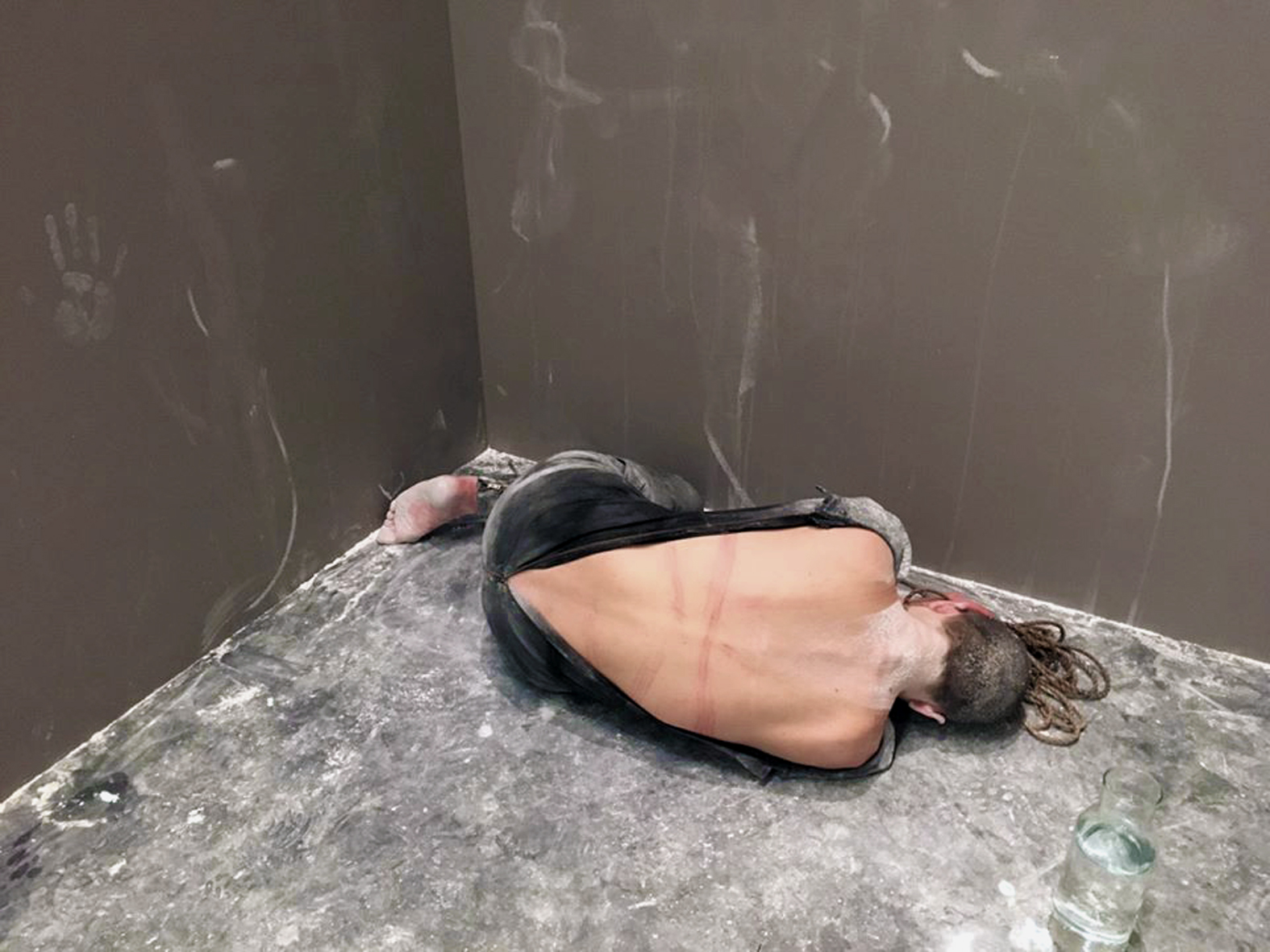
Image 2: Despina Zacharopoulou, Corner Time, 7-week (324 hours) long durational performance, commissioned by the NEON Organization and the Marina Abramović Institute (MAI), AS ONE, Benaki Museum, Athens, Greece,
10 March–24 April 2016. Photograph by Christina Bratuska.
Given the phrase ‘severe impact’ in the adopted definition of violence above, it would be necessary to investigate how this severe impact gets manifested in the performances discussed. In the following examples of works, this impact would be usually read via its residual expressions that constitute proof, testimony, and memory of the event of violence. Such residual expressions would include:
- The intensities produced and distributed in the work, accompanied by the production of images of a body in spasm assuming positions and generating images that would be impossible to be engendered without the application of forces on the performer’s body and without the mediation of pain. This position would be similar to the way that Francis Bacon looked at violence and became interested in bodies in spasm:
The violence of sensation is opposed to the violence of the represented (the sensational, the cliché). The former is inseparable from its direct action on the nervous system, the levels through it passes, the domains it traverses […]. (Deleuze 2019, 30)
“[…] what interests Bacon is not exactly movement […] it is a movement ‘in place,’ a spasm, which reveals a completely different problem characteristic of Bacon: the action of invisible forces on the body (hence the bodily deformations, which are due to this more profound cause). (Deleuze 2019, 31)
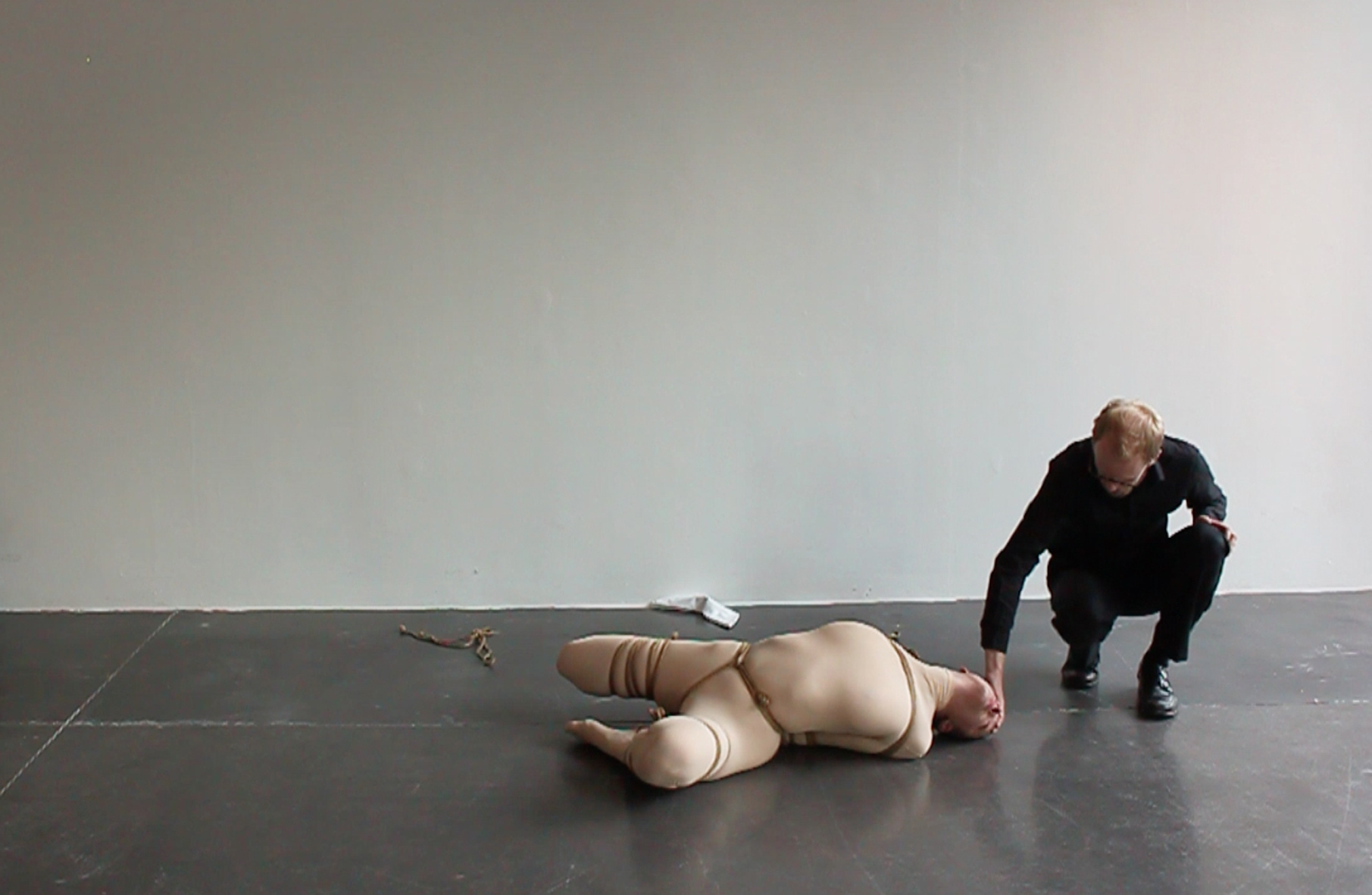
Image 3. Despina Zacharopoulou, Introduction, 20-minute performance, 2015, Dyson Gallery, RCA, London, UK. Ropes: Fred Hatt. Video Still. Camera: Jeroen Van Dooren.
- The creation of marks on the performer’s skin, such as: imprints, bruises, abrasions, or even breakings of the skin tissue (e.g. using body stapling).
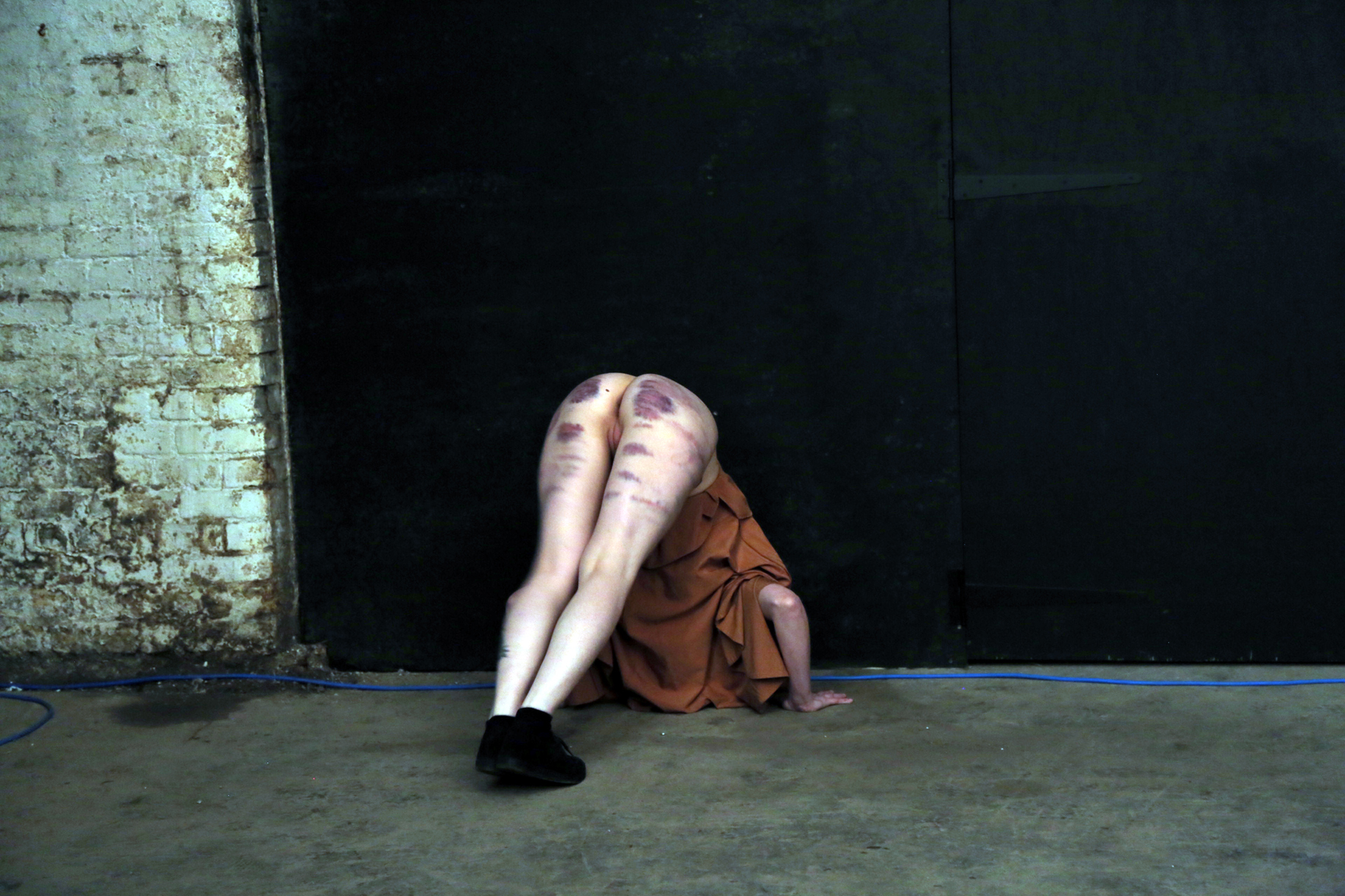
Image 4. Despina Zacharopoulou, Love *me*, 5-minute performance, 5 MINUTES OF YOUR TIME, RCA Performance Pathway, The doodle bar, London, UK, 2017. Photograph by Prof. Nigel Rolfe.
- Rituals of care following the effects and affects of the violent forces exerted at a time prior to the performance work, including their residue-as-trauma.
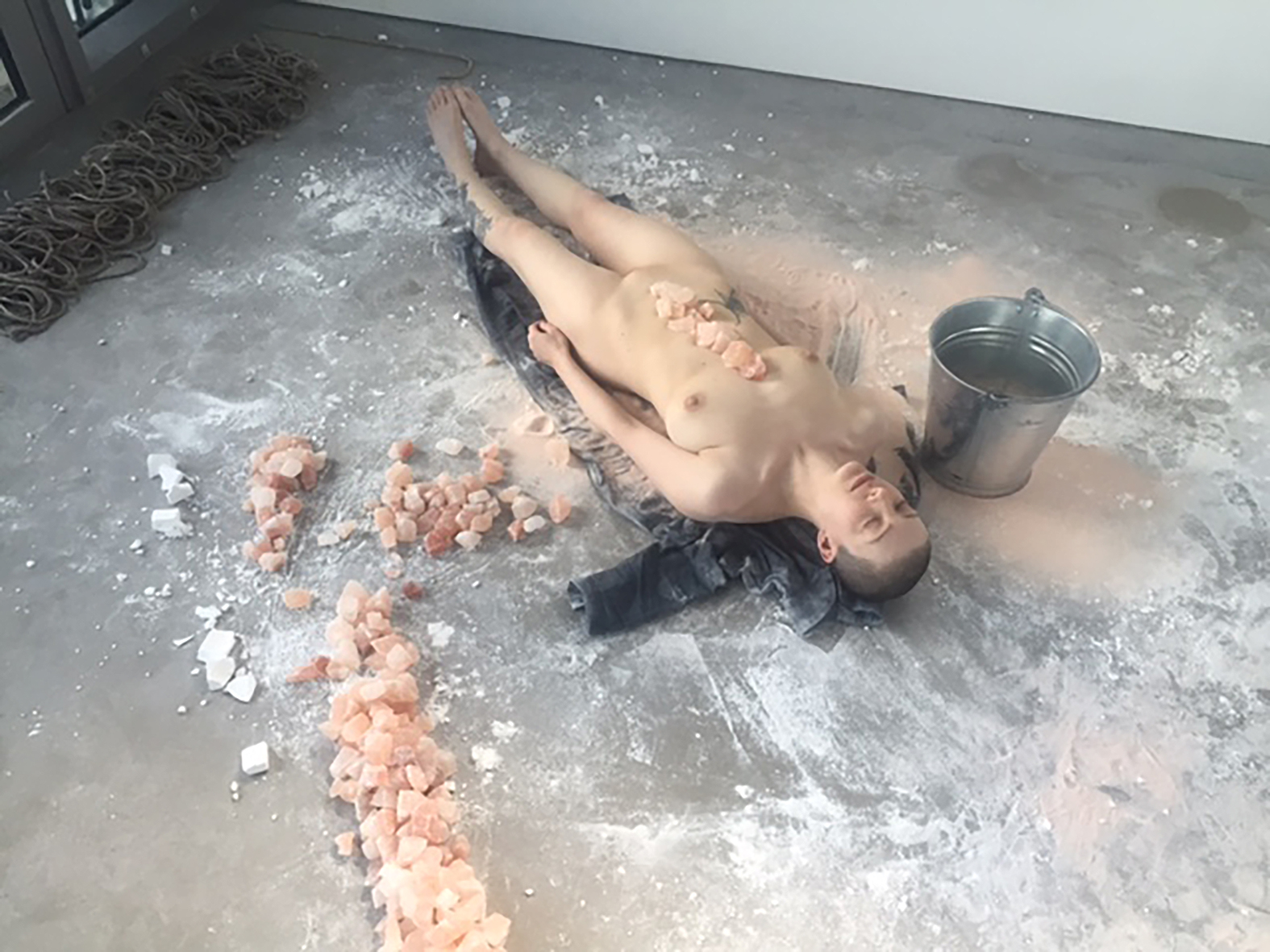
Image 5. Despina Zacharopoulou, Aftercare Ι, 3-day (20 hours) long durational performance, RCA Fine Art Research Exhibition: MATTER, Royal College of Art, 2016. Photograph by Janina Anja Lange.
Regarding those performance works where the audience encounters a marked body, the viewer seems to ethically oscillate, not knowing exactly where to place themselves towards the artist. In this case, the audience cannot really discern whether they should feel sorry for the performer, protect her, feel threatened or excited by this body-flesh inhabited only by intensities, that are then channelled inside the work as a nexus of hedonism, trauma, abandonment, availability and indifference.
Being a threat
Being a threat (2016) was the first performance in a series of works of marks. The performer, having her entire body covered except her back, was crawling along the perimeter of the gallery, her face turned against the wall or the floor. The marked back, left exposed to the audience, was full of whip marks caused the night before by third parties within a consensual environment. During the performance, the artist’s back became her ‘face.’ For two hours her body slid slowly and sensuously along the perimeter of the exhibition space. However, the body presented to the audience was not a victimized body; it was a piece of traumatized and hedonistic flesh, a body that seemed to be floating within a surface circulated only by intensities. Once the performer reached the gallery’s exit, then, quasi-human and quasi-animal, she got up and left the space.
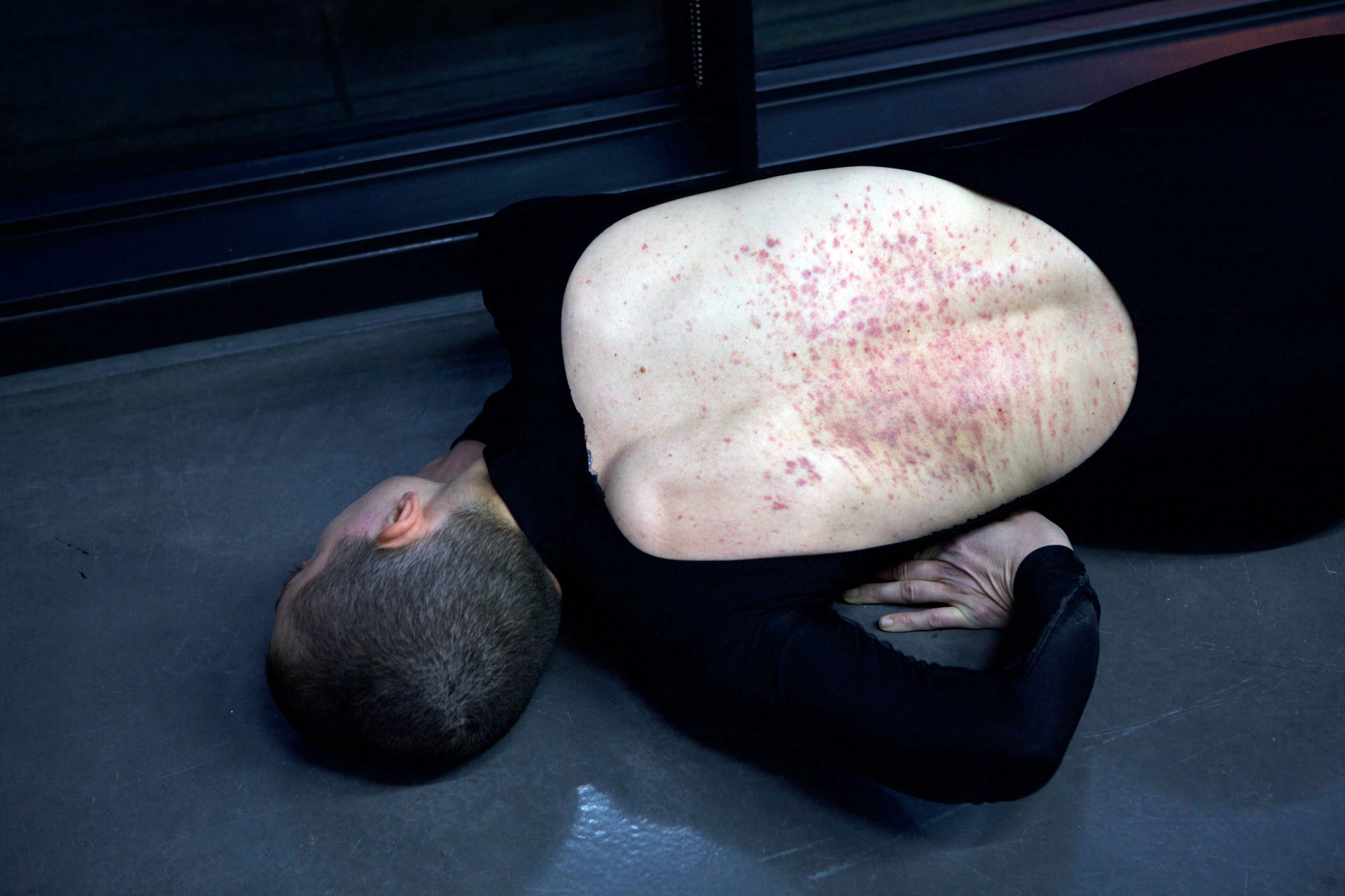
Image 6. Despina Zacharopoulou, Being A Threat, 2-hour performance, Performing Identities, Dyson Gallery, RCA, London, UK, 2016. Photograph by Ania Mokrzycka.
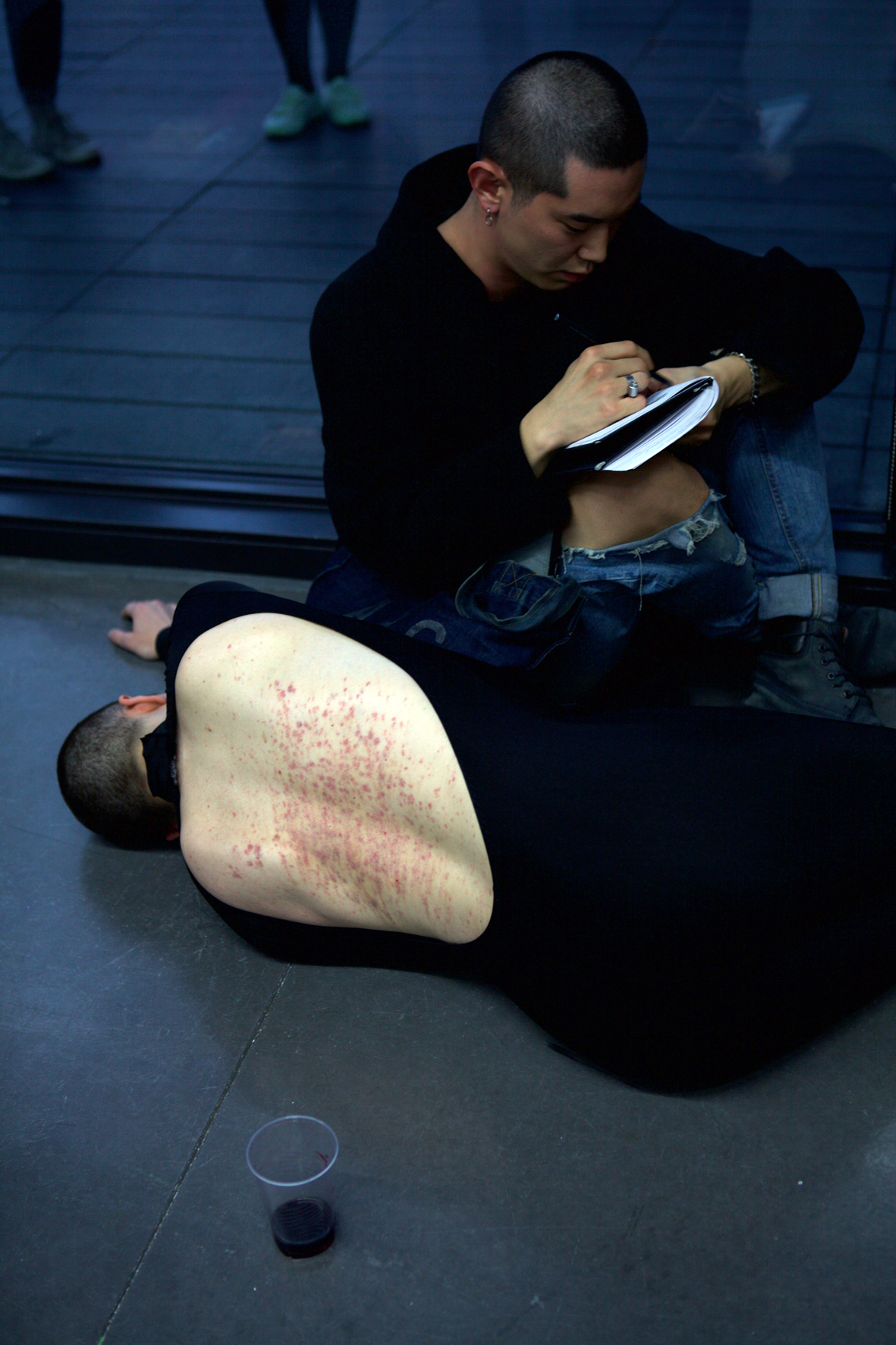
Image 7. Despina Zacharopoulou, Being A Threat, 2-hour performance, Performing Identities, Dyson Gallery, RCA, London, UK, 2016. Photographs by Ania Mokrzycka.
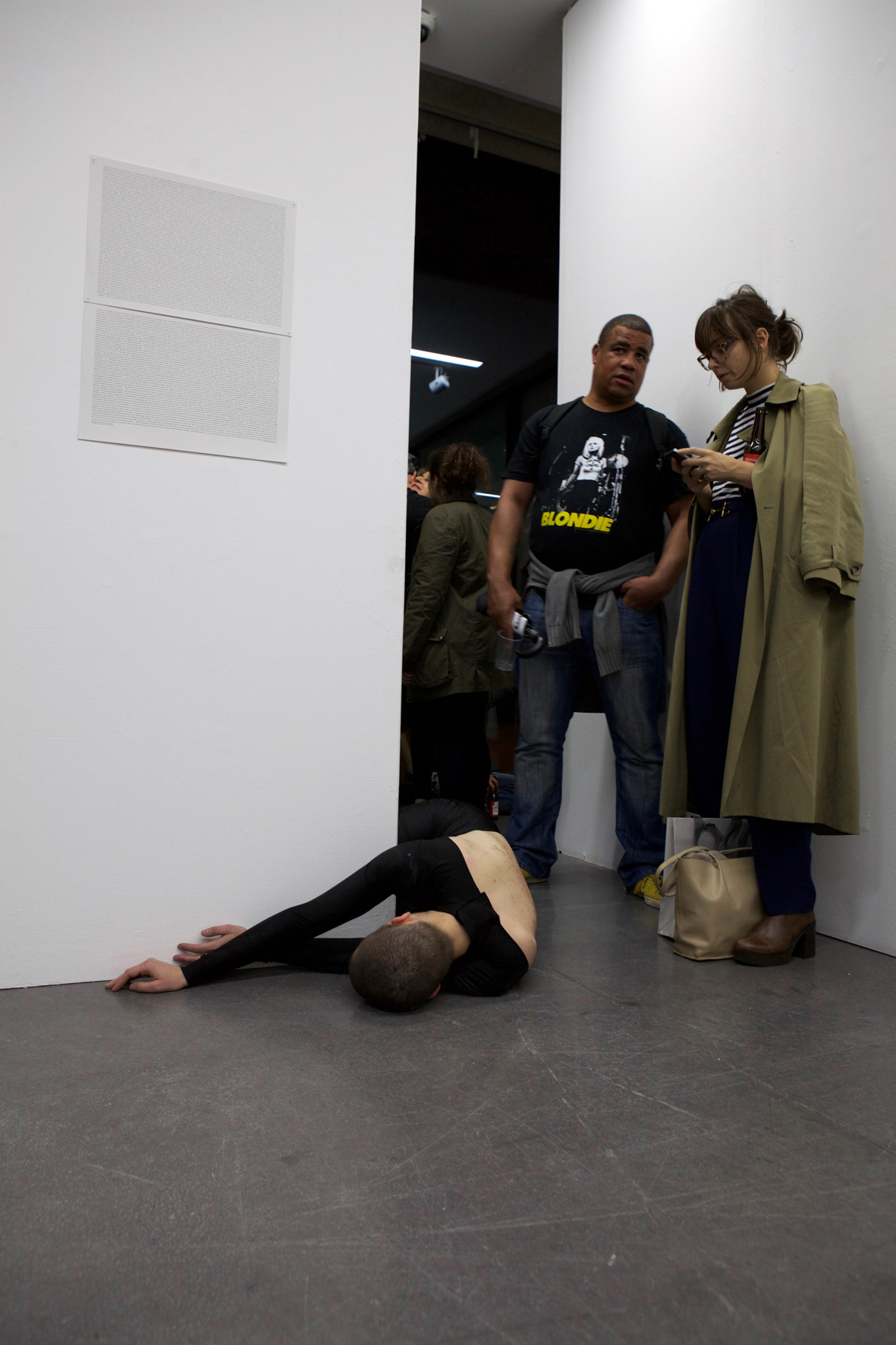
Image 8. Despina Zacharopoulou, Being A Threat, 2-hour performance, Performing Identities, Dyson Gallery, RCA, London, UK, 2016. Photographs by Ania Mokrzycka.
Affectability / Vulnerability
Using Being a threat (2016) as an example, one might wonder what the difference might be between a performance that requires a repeated exercise of violence on the performer’s body as part of the work’s preparation, and a performance where the artist would execute the same trajectory and movements in space without the violence preceding it. Should violence not precede the action, the result would be a body simply navigating the exhibition space, with the project being exclusively about the gallery’s habitation by the performer.
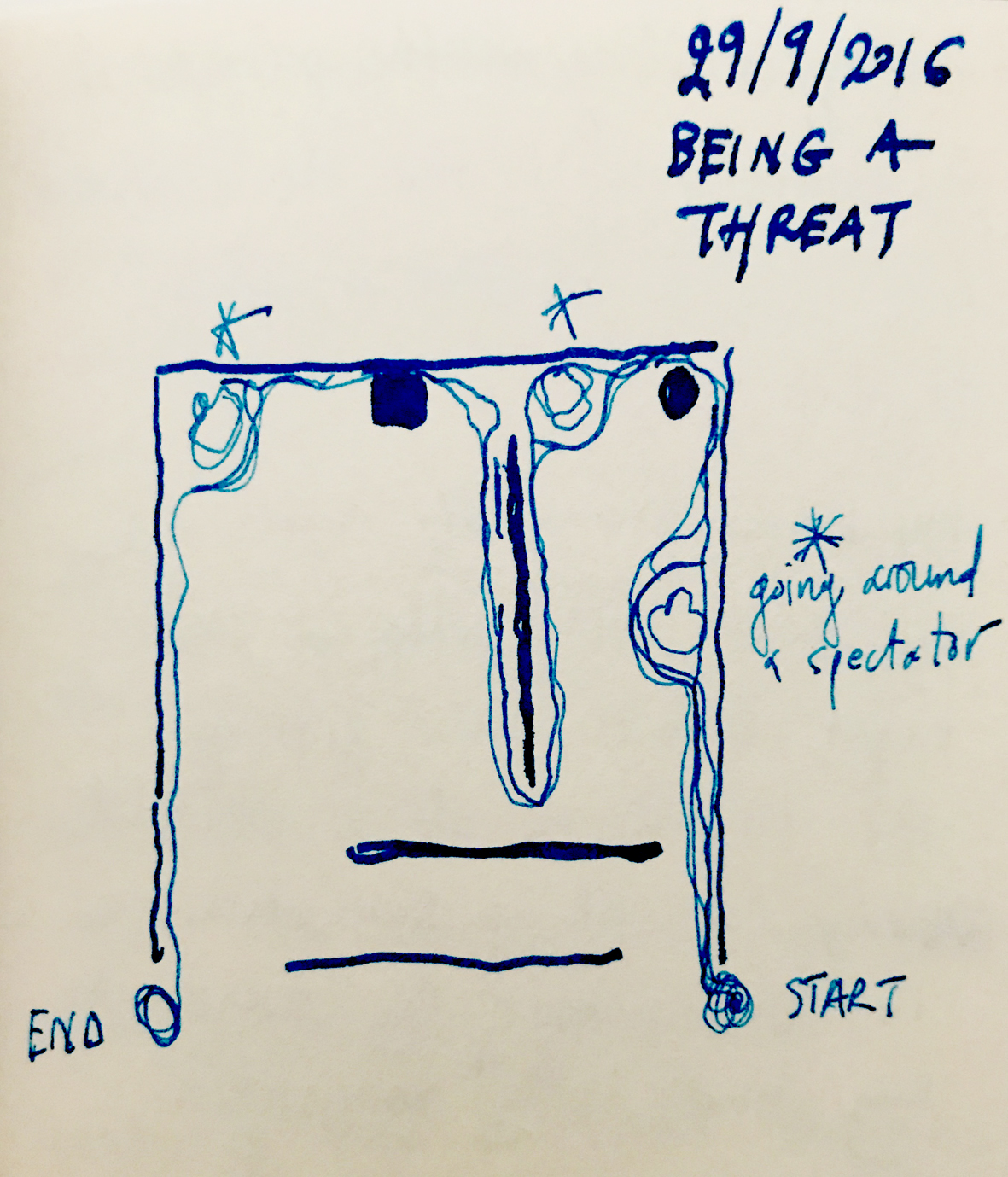
Image 9. Despina Zacharopoulou, Diagram (Being A Threat), ink on paper,104x146 mm, 2016.
However, should violence be part of the performer’s preparation for the work, the marks on the body would indicate the existence of forces already exerted upon the artist, producing and distributing intensities during the performance. In this case, the testimony of a body that had been affected by and marked during its encounter with other bodies, would indicate the ability of this body to affect and be affected by other bodies and forces. This ability would be named as affectability or vulnerability. What is at stake here is a body presented to the viewer that is open to be affected by and affect other bodies; it is a vulnerable body, a body ready to accept any touch, no matter how violent or even traumatic that touch might be.
It is under this perspective of affectability that the performances Love *me* (2017), D’après S.K (2017), and Response-ability (d’après K.B.) (2017) should be regarded. In all three cases the performer had her thighs and buttocks caned the night before, within a consensual environment. Regardless of the differences among the three live works, the main idea was the same: dividing the action in two stages, with the first one performed in clothes and the second one while being partially or fully naked to expose the cane marks on her body. What is essentially at stake across this series of works of marks is the performer’s ability to exhibit a vulnerable and sensuous body affirming life as it is.
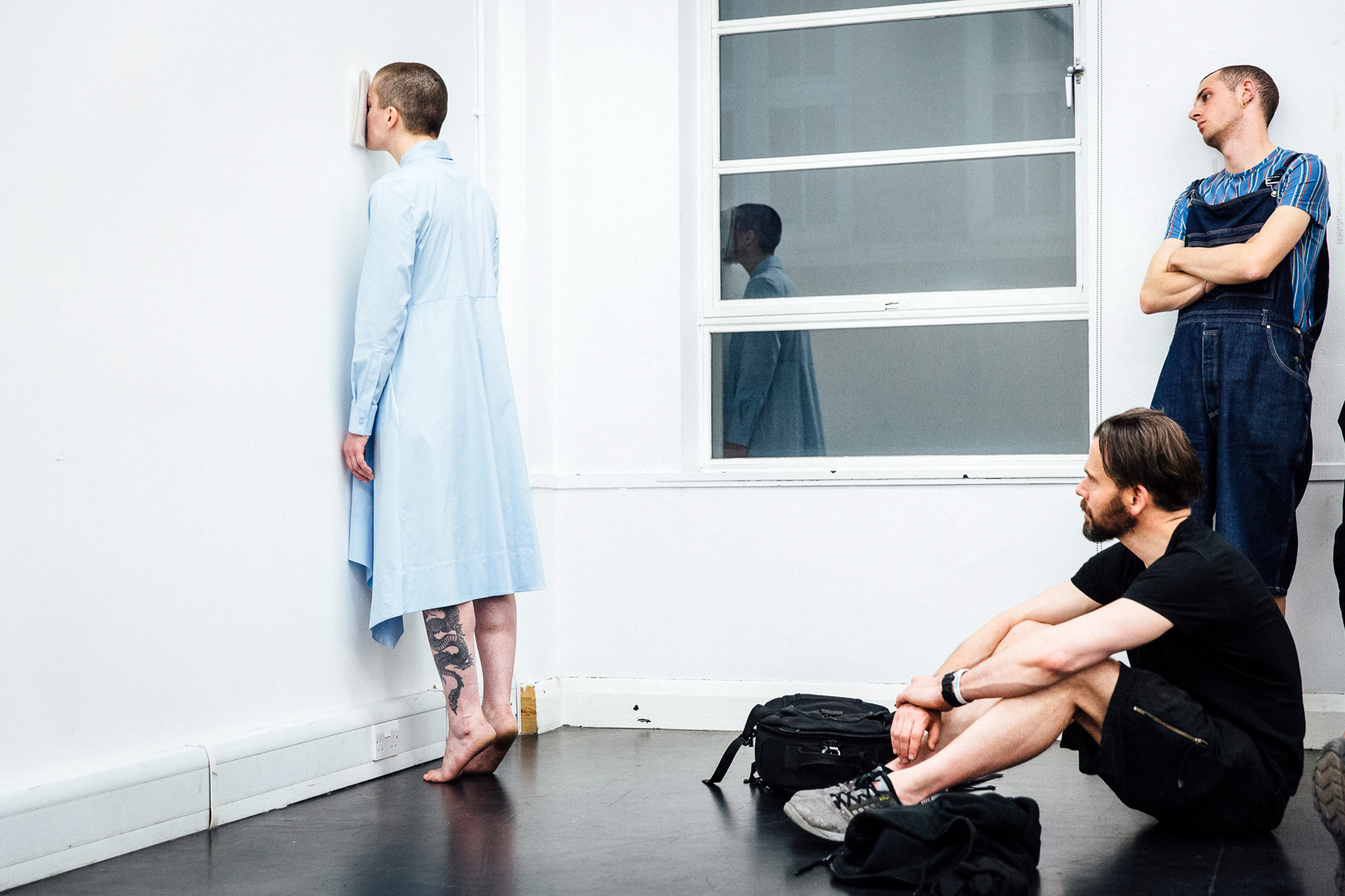
Image 10. Despina Zacharopoulou, D'après S.K, 10-minute performance, Tender Loin #9, Steakhouse Live, Toynbee Studios, London, UK, 2017. Photograph by Greg Goodale.
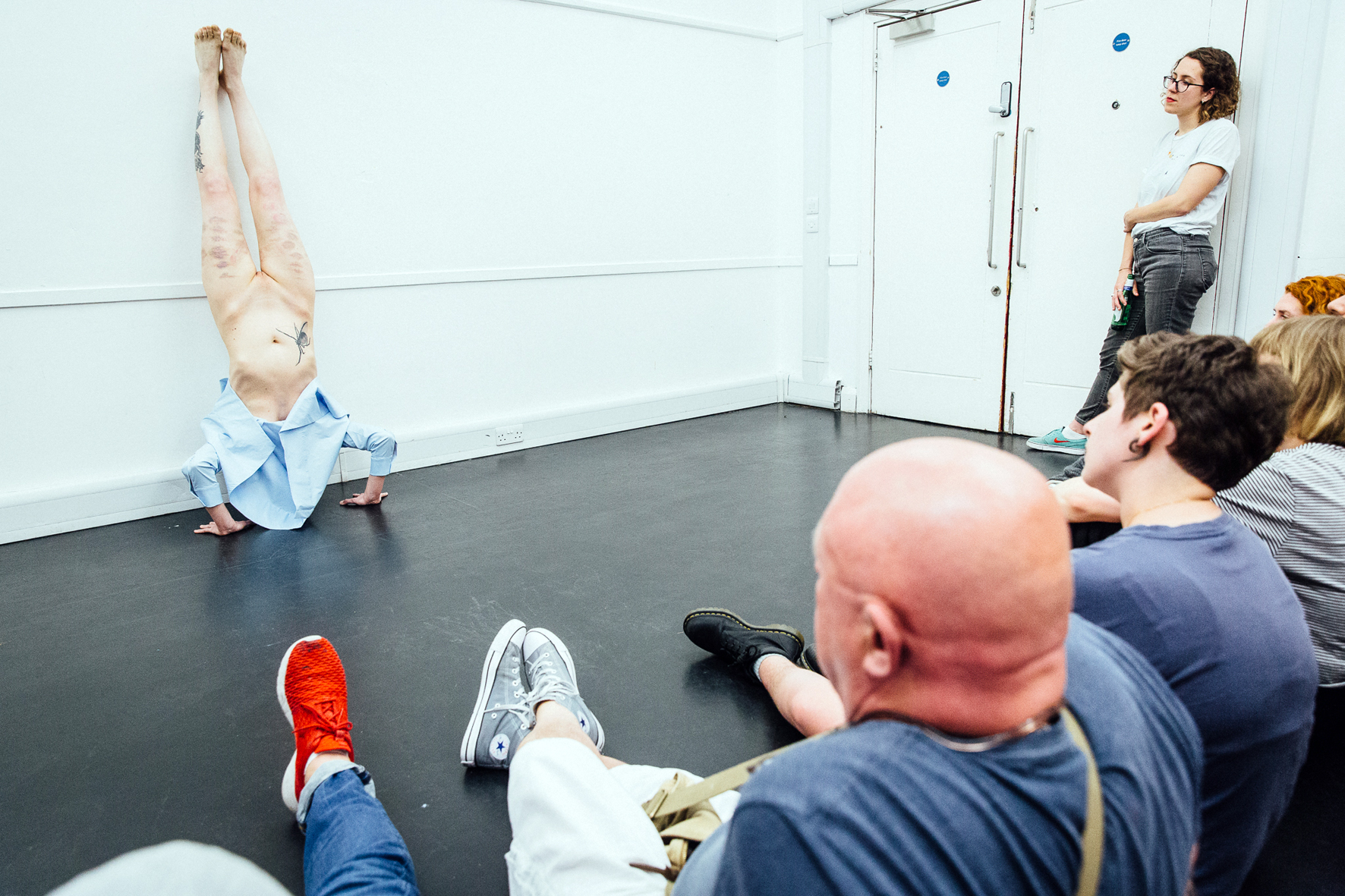
Image 11. Despina Zacharopoulou, D'après S.K, 10-minute performance, Tender Loin #9, Steakhouse Live, Toynbee Studios, London, UK, 2017. Photograph by Greg Goodale.
Repetition as feedback loop
Repetition is a condition of action before it is a concept of reflection.
Deleuze (2004, 117)
Across all the works of violence presented, repetition is manifested in the reiteration of consensual violent acts upon the performer’s body, either during or before each performance. Repetition, here, is not to be understood as a repetition of “the identical” (Deleuze 2014, 319), but as both the visible and invisible work within each performance piece, characterized by the recurring exercise of forces upon the performer’s body. These forces could be exerted either prior to the ‘actual work,’ by other people within a consensual environment (e.g. caning, whipping, bondage), or by the artist herself or third parties during a performance piece (e.g. body stapling, bondage, caning). Throughout this range of works of violence, each performance work is essentially the remainder/excess of an ever-going repetition of forces that keeps circulating from project to project in the form of a feedback loop, as indicated by Mandelbrot’s set:
z⇌z2+c
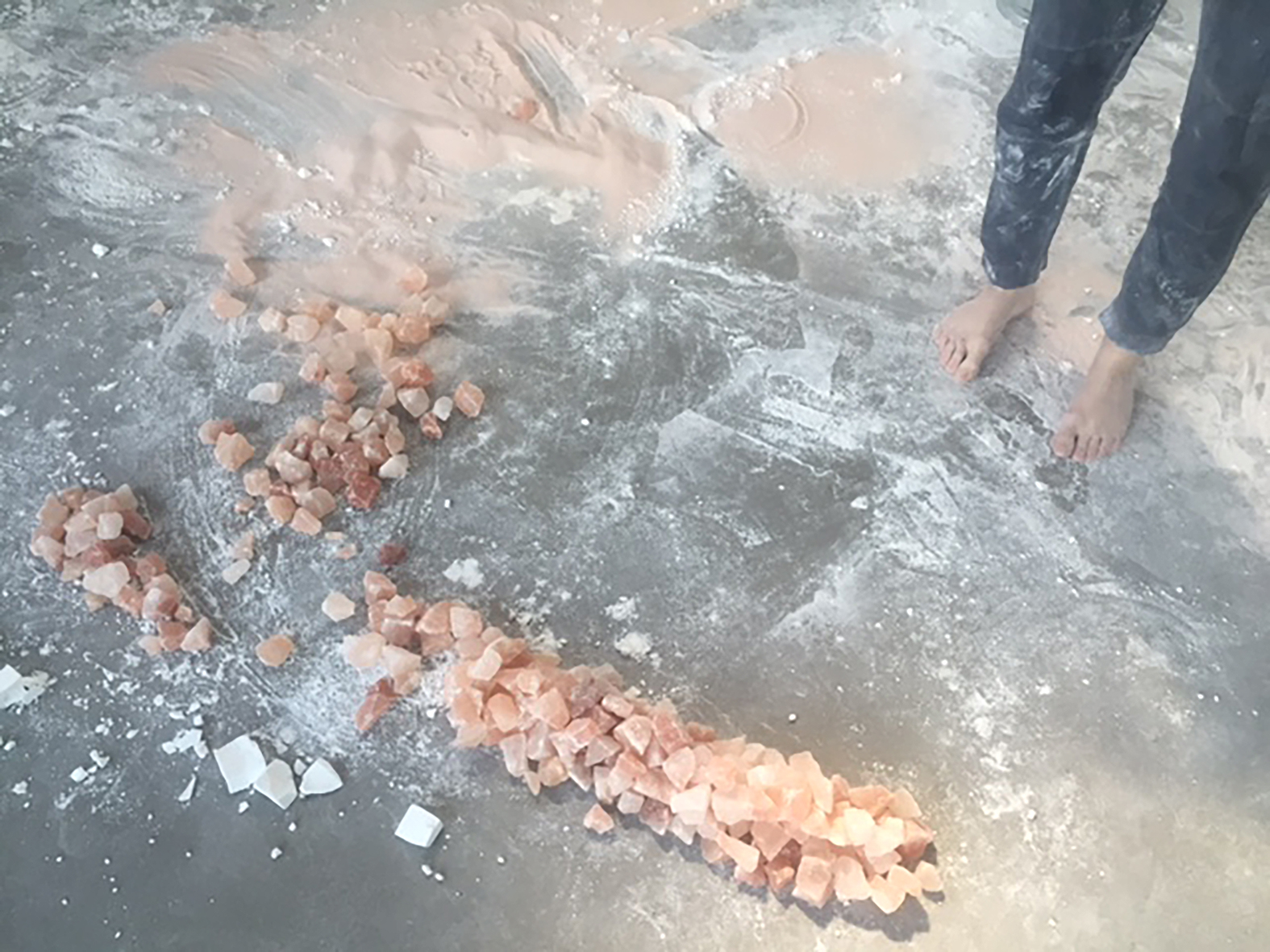
Image 12: Despina Zacharopoulou, Aftercare Ι, 3-day (20 hours) long durational performance, RCA Fine Art Research Exhibition: MATTER, Royal College of Art, 2016. Photograph by Janina Anja Lange.
If z stands for step 1 within a morphogenetic process, and z2 stands for the repetition of step 1, then step 2 not only contains the repetition of z, but also a sort of excess or residue c, which stands for the very morphogenetic process itself during the realization of the passage from step 1 to step 2. The symbol ⇌ stands for the phenomenon of the feedback loop. Its double direction indicates that every step within a feedback loop always already includes its own process of (future and past) becoming, in the form of a remainder from all previous realized stages. It would also be fair to argue that Mandelbrot’s set also coincides with Lyotard’s use of the French term circonversion [metaconversion] as “[…] the condensed ‘powers’ of conversion without upper limit, since any case of M1 is also a case of M2…Mn” (Lyotard 2015, xv). Consequently, Mandelbrot’s set, also written as fc(z) = z2 + c (Douady, Adrien, and Hubbard 1985, 37–72), indicates that for each value of z, a singularity governed by the type fc(z) = z2 + c gets produced. In the works of violence, this singularity would be the actualization and the solidification of forces in a single form, as they appear at any given moment. Lyotard’s idea of ‘metaconversion’ as well as Mandelbrot’s set showcase a repetitive process, in which every round simultaneously superimposes its own past and future in a form of a multiplicity or fractal (Mandelbrot 1973) that already includes its own morphogenetic processes and excesses.
This idea of excess positions the present paper within a lineage of thought (e.g. Nietzsche, Bataille, Spinoza, Deleuze, etc.) that saw the repetition of violence as a necessary move to attack universalism and the kingdom of Reason. However, in Bataille’s focus on the notion of unconditional expenditure (Bataille 1985, 116–129), as manifested in sacrificial rites, rituals of destruction, and eroticism, violence was seen as a means to transgress certain taboos imposed by religion/society (Bataille 2012, 32–36). Whereas in the context of this research, what is basically at stake is the reiteration of violence without presupposing a certain form of prohibition or ground. That is, repetition in performance art—and consequently, repetition of violence in performance art—is here examined as a certain process of revisiting a state of pure becoming, in the same way that Klossowski grasped Nietzsche’s idea of Eternal Return as a return to the world of the Will to Power:
It is not the fact of being there that fascinates Nietzsche in this moment, but the fact of returning in what becomes: this necessity—which was li and must be relived—defies the will and the creation of a meaning. (Klossowski [1969] 1997, 65)
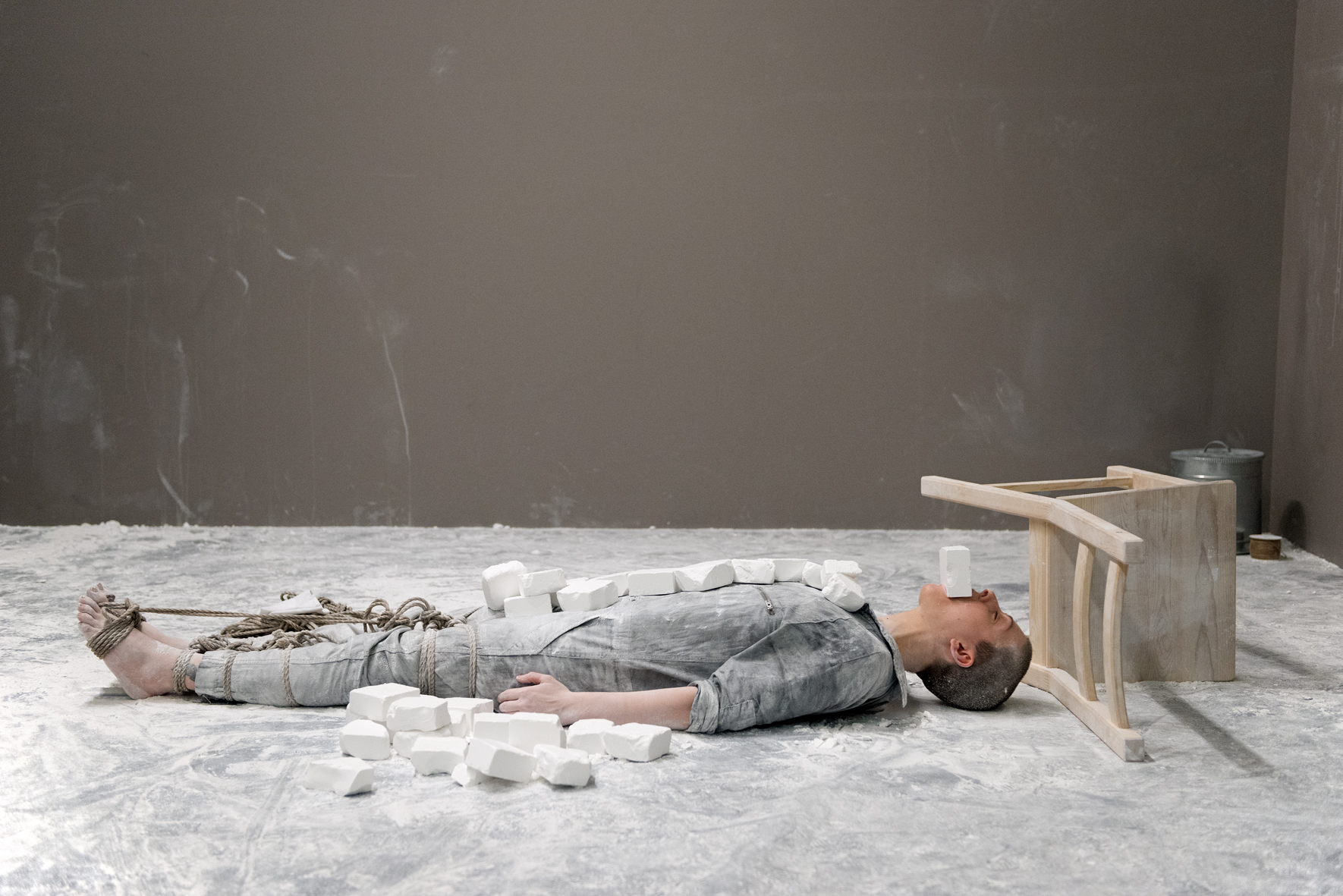
Image 13. Despina Zacharopoulou, Corner Time, 7-week (324 hours) long durational performance, commissioned by the NEON Organization and the Marina Abramović Institute (MAI), AS ONE, Benaki Museum, Athens, Greece, 10 March–24 April 2016. Photograph by Panos Kokkinias.
For example, in Corner Time (2016), the performer was repeatedly using the materials of rope and chalk upon her own body for eight hours per day within the course of seven weeks (324 hours in total), through techniques such as those of: Japanese rope bondage (shibari / kinbaku), restriction, isolation of the senses, suffocation, immobility, or non-stop movement. During the seven weeks that the performance lasted, and on a daily basis, some of the spectators took the initiative to enter into an encounter with the artist, mainly through the gaze or touch. As a result, apart from the performer’s application of forces upon her own body, she had also been repeatedly tied up, untied, hugged, kissed, caressed, and/or touched by members of the audience. It was via all of these recurring actions that the artist’s body was allowed to dismiss any given subjectivities and get transmutated into flesh.
Abolishing any sense of unified self and transmutating one's body into flesh was also the purpose of all the consensual whippings or canings that the performer had to endure as a preparation for her works of marks. In the cases of performances of care, this was attained by the repetition of rituals of care aimed to manage violence’s residue in the form of trauma, resulting from preceding long durational work(s).
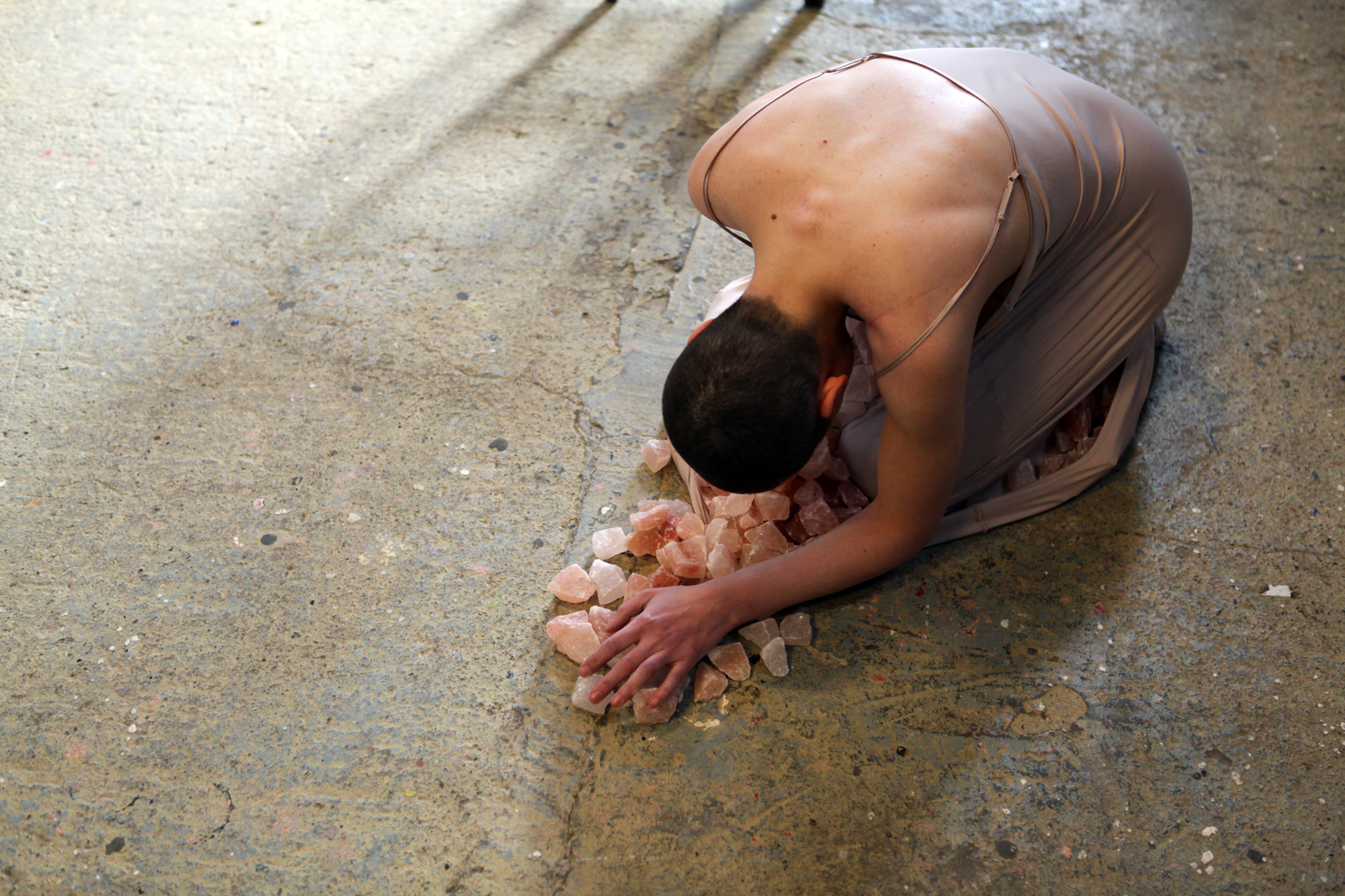
Image 14. Despina Zacharopoulou, Aftercare II, 1-hour performance, BEING DOING, RCA Performance Pathway, Asylum Caroline Gardens Chapel, 2016. Photograph by Prof. Nigel Rolfe.
Trauma
If trauma is the persistent ongoing recurrence in the present, of violent impacts of bodies on other bodies at the moment of their encounter, then trauma can only continue to exist as trace and excess, circulating in the form of currency. In the works of violence, trauma continues to circulate, as ‘the secret’ (Kierkegaard, 1843) that renders them with meaning, sometimes making its presence more explicit, others remaining to ‘haunt’ the work as a ‘ghost.’ Through the constant repetition of violent acts and intense intra-actions, trauma would always be the residue that keeps circulating in the projects to come. How can contemporary performance art manage trauma? Does this move imply any kind of morality or ethics?
According to psychoanalysis, mourning and depression would be the two main ways of managing trauma, categorizing the former under the moral definition of normality and the latter under the accusation of psychopathology. In Sigmund Freud’s emblematic text “Mourning and Melancholia,” the father of psychoanalysis located the source of melancholy in the ego’s autophagic attack towards itself, as a gesture of anger resulting from an accusation that could not be addressed to its actual recipient, which would be the lost object of desire (Freud 2005, 203). Trauma in this case would be seen as a sort of wound, marked by a severe loss that could not be recuperated, leaving the acceptance of loss through mourning as the only ‘healthy’ way to recover from it.
For Melanie Klein, trauma and melancholy characterize all human beings in statu nascendi, since birth itself and the newborn’s dependence on the maternal breast, followed by its forced detachment after a few months’ time, inevitably lead to primary melancholy for the loss of the most desired object, which is the mother’s body (Klein 1975, 306–343). For Klein, it is the beginning of our lives that is itself traumatic and needs to be repaired along the stages of one’s psychic development, otherwise melancholy might persist in adult life as well, should the initial trauma repeat under other patterns of attachments and detachments (Klein 1975, 307). In this way, it becomes clear that for psychoanalysis, trauma not only would be situated in the past, condemned to be always inaccessible by memory, but would be also regarded as a wound that needs to be healed.
The present paper offers an alternative view on trauma, as suggested in the performances at stake, where trauma is seen as a driving force that needs to be repeated again and again so as to allow one to experience life as pure becoming. In the live works presented, repetition of trauma through events of violence or rituals of care does not offer any redemption in order to create performer-heroes, nor any fixation for the production of performer-victims. What takes place and gives meaning to each work, after constituting itself as a kind of ‘groundless ground’ (Braver, 2014), would be the repetition of trauma so that the performer dismisses all subjectivities. In this way, trauma would no longer be placed in the past as a primary wound or as an immobile, untouchable reference point, but would instead be looked at as a dynamic multiplicity of events, fluid and susceptible to transmutation via processes of repetition. This process of the trauma’s eternal return through a ceaseless reiteration of acts of violence and of intense intra-actions among bodies, would not constitute a repetition of “the identical,” but a repetition as difference in the way that Deleuze defined difference (1968) and Nietzsche grasped the event of eternal return (1881):
Nietzsche meant nothing more than this by eternal return. Eternal return cannot mean the return of the identical, because it presupposes a world (that of the will to power) in which all previous identities have been abolished and dissolved. Returning is being, but only the being of becoming. The eternal return does not bring back “the same” but returning constitutes the only Same of that which becomes. Returning is the becoming-identical of becoming itself. Returning is thus the only identity, but identity as secondary power; the identity of difference, the identical which belongs to the different, or turns around the different. Such an identity produced by difference, is determined as “repetition.” Repetition is the eternal return, therefore consists in conceiving the same on the basis of the different. […] Only the extreme, the excessive returns […]. (Deleuze 2014, 52–53)
Repetition, once seen as eternal return to trauma, manages to resituate trauma away from its psychoanalytic understanding as a primary loss and rethink it as “corporeal trace” (Spinoza 1996, 44) or “phantasm” (Klossowski 2017, 7); as an obsessive image-multiplicity of past, present, and future encounters among bodies that keeps returning. Therefore, trauma grasped through difference and repetition now becomes a non-originary entity that keeps circulating at the moment it returns, and in so doing to define identity as difference and pure becoming.
Violence as an apparatus for the fabrication of the Body without Organs (BwO)
Deleuze and Guattari in their analysis on the BwO explain potential different methodologies (programs) followed for the fabrication of one’s BwO, e.g. masochism, love-making, drug use, schizophrenia (Deleuze and Guattari 2004, 179). Whatever the case, what seems to be always involved in the BwO’s fabrication, would be repetition, selection, rhythm, disarticulation, experimentation, and nomadism (Deleuze and Guattari 2004, 185). In the works of violence brought forward, the program for the fabrication and maintenance of the BwO would be defined by the technology of the implements inflicting pain upon the performer’s body (e.g. cane, single tail, body stapler, rope). Each implement would produce different kinds of rhythm, intensities, and sensations of pain—sometimes deeper (cane), others more acute (single tail). The tools exercising violence would be “flow-producing machines,” with the performer’s body being a “flow-interrupting machine,” creating cuts/incisions in the received energy flows (Deleuze and Guattari 2013, 16). Then these cuts/incisions would be visualized and manifested through marks on the performer’s skin. By the end of the performance the artist would be a “great ephemeral skin” (Lyotard 1993, 19–57), projecting traumas and pleasures; a multiplicity of violations and healings, a tangible residue of the forces exercised upon her.
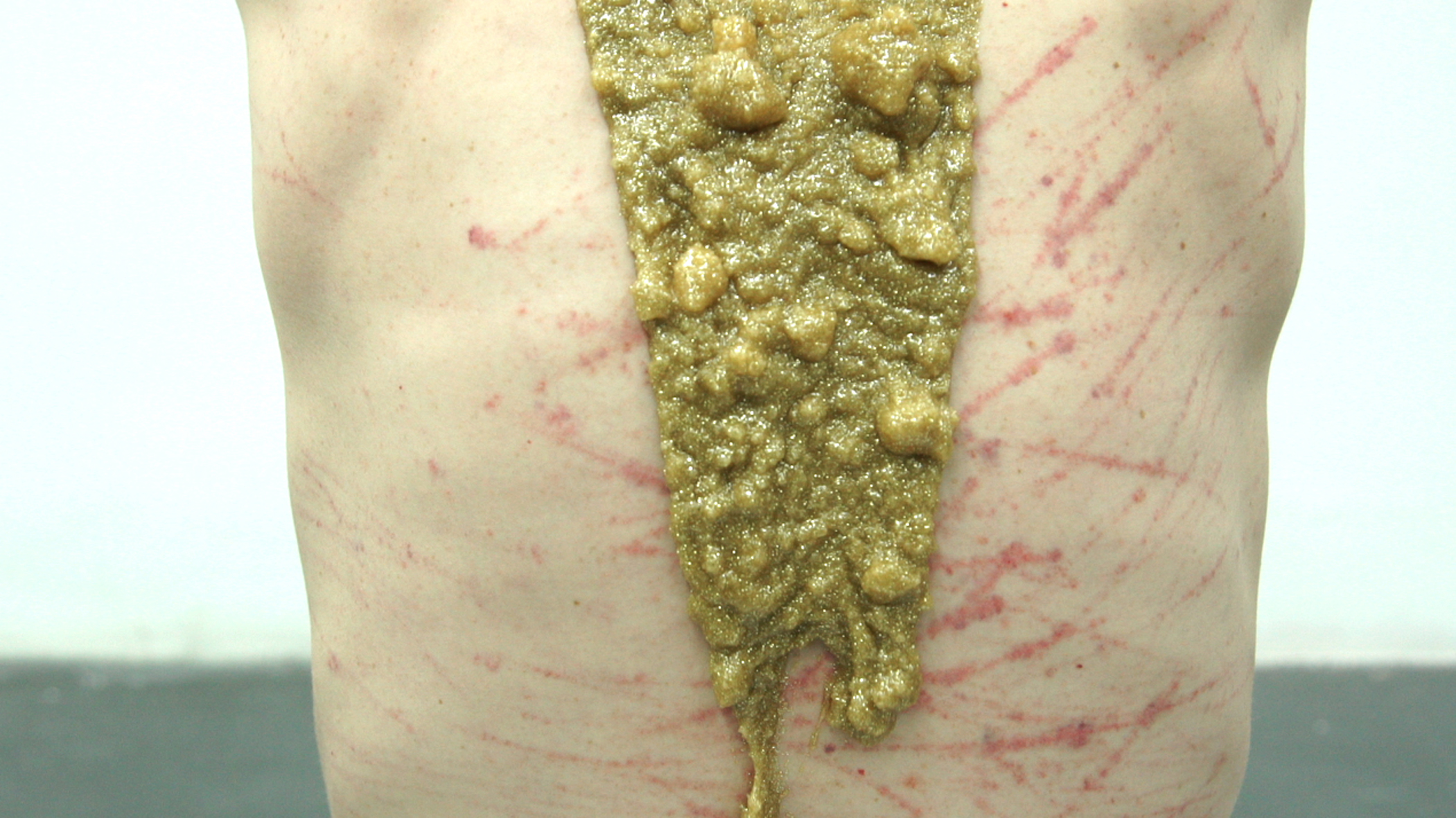
Image 15. Despina Zacharopoulou, Surface, performance for the camera, Live 2 Camera II, RCA Performance Pathway, 2017. Video still. Camera: J. J. Rolfe.
Parrhēsia
In the performances discussed, there is always a risk to be taken by the performer, while bringing herself exposed and vulnerable in front of the audience. This risk is absolutely necessary so that these performances may function as fields of truth “bringing things forth” (Heidegger 2011, 222). However, the term ‘truth’ should not be seen here as a universal concept of moral value, nor should it be confused with the logical veridiction of propositions as expressed by the true/false binary. After all, the misinterpretations and pitfalls to which such an identification of the idea of truth could lead, have already been stressed out by many philosophers, such as Wittgenstein and Deleuze (Wittgenstein 2005, 188–189, Deleuze 2013, 19). On the contrary, the notion of truth as approached in the works presented, is seen as that which emerges and circulates, in the form of currency, during events of parrhēsiastic games. According to Michel Foucault, parrhēsia (or parrhēsiastic truth) may emerge as soon as:
a) one exhibits their life as a true life which is radically other, and in so doing they expose—though in bashfulness—both themselves and their life in public view (Foucault 2011, 173–4). This move, once performed, puts the parrhēsiast in danger, not only of breaking the relationship with their interlocutors, but also of risking his/her own life.
b) one stands with an ‘openness of heart’ before the Master and, consequently, before others as well (Christian ascetic tradition) (Foucault 2011, 328–9 ). The risk, here, is directly connected with the leap of faith that one has to perform while submitting to the Master and Their will, without knowing whether they will be safe.
The performer-parrhēsiast, the moment of their encounter with the audience, is able to reveal an example of a life which is radically other; a life-as-surface, a life which is at the same time voluptuous and traumatic, and which despite the fear and trembling, can only be experienced in its full intensity and in pure joy. It is precisely all these contradictions governing life-as-surface that do not allow it to be described through its segments without it being degenerated. So the only way to indicate this sort of life is by simultaneously exposing and protecting it; hence the role of bashfulness in the process of revealing life as surface.
Søren Kierkegaard in his work Fear & Trembling (1843), used the term ‘secret’ to describe the attunement taking place between God and Abraham, which is similar to that between the performer and the audience described here, the moment that life-as-surface is being exposed. Attunement between Abraham and God is something that cannot be said, because it is precisely inscribed within the realm of faith, presupposing the moves of “infinite resignation” and the “reposition in the strength of the absurd” (Kierkegaard, 1985, 51). It is in a similar way, that Nietzsche, in Gay Science (Gaia Scienza, 1881) called forth the preservation of the veil protecting Truth/Nature, against its indistinguishable exposure to light, the moment it is revealed:
[…] We no longer believe that truth remains truth when one pulls off the veil; […] One should have more respect for the bashfulness with which nature has hidden behind riddles and iridescent uncertainties. Perhaps truth is a woman who has grounds for not showing her grounds? Perhaps her name is—to speak Greek—Baubo?.. Oh, those Greeks! They knew how to live: what is needed for that is to stop bravely at the surface, the fold, the skin; to worship appearance, to believe in shapes, tones, words—in the whole Olympus of appearance! Those Greeks were superficial—out of profundity! […] Are we not just in this respect—Greeks? Worshippers of shapes, tones, words? And therefore—artists? (Nietzsche 2001, 8–9.)
Pudeur / Bashfulness
In Pudeur (d’après F.N.) (2017) and Pudeur II (d’après F.N.) (2018), the artist, after removing her clothes in front of the spectators, read aloud and in its entirety Nietzsche’s aforementioned aphorism, while, at the same time, she was stapling her nipples and genitals.
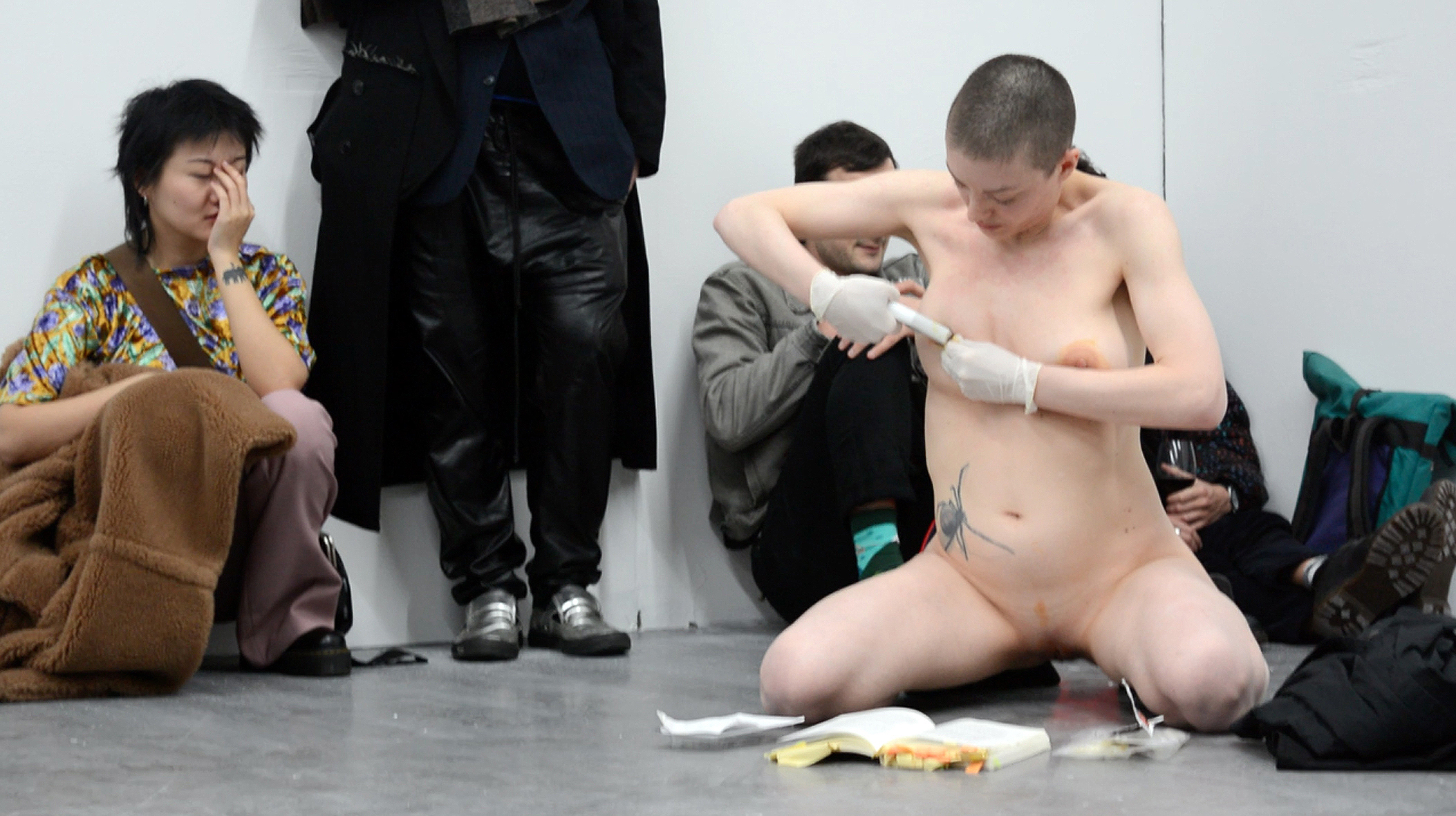
Image 16. Despina Zacharopoulou, Pudeur (d’après F.N.), 10-minute performance, The New Darkroom, RCA Queer Society, Dyson Gallery, RCA, London, 2017. Text by Friedrich Nietzsche, La Gaia Scienza, 1882, Preface §4, transl. by Patrick Wotling, slightly altered by Pierre Hadot, as mentioned in: Pierre Hadot, Le Voile d’Isis: Essaie sur l’histoire de l’idée de Nature, (Paris: Gallimard, 2004), 22–23. Photograph by Vasiliki Antonopoulou.
Pudeur (d’après F.N.) (2017) and Pudeur II (d’après F.N.) (2018), started from the performer’s need to ‘seal’ her body after being heartbroken. Her inability to directly communicate the intensity of her emotional pain without falling into banality and cliché defined her aesthetic decisions for the project; first of all she decided to staple her nipples and genitals, two erogenous zones, so as to ‘exclude’ any external triggers and ‘protect’ her body. This was definitely a non-verbal statement, an act of resistance, commitment, and grief, in her attempt to share her emotional pain with the audience. At the same time, this act of resistance was performed with pride and strength, not leaving any space for her potential victimization. The impossibility of verbally expressing her pain led the artist to read this particular philosophical text written by Nietzsche on the theme of Nature’s bashfulness. In parallel with the act of body-stapling, the difficulty of the—mostly—English-speaking audience to access the text that was being read in French, added to the non-representational character of the performance. What was achieved with this multiverse move was the generation and distribution of intensities through the synergy of multiple singularities that mutated and shifted within the work. This delicate gesture was possible in the first place, precisely due to the artist’s decision to create a work about her emotional pain without illustrating it.
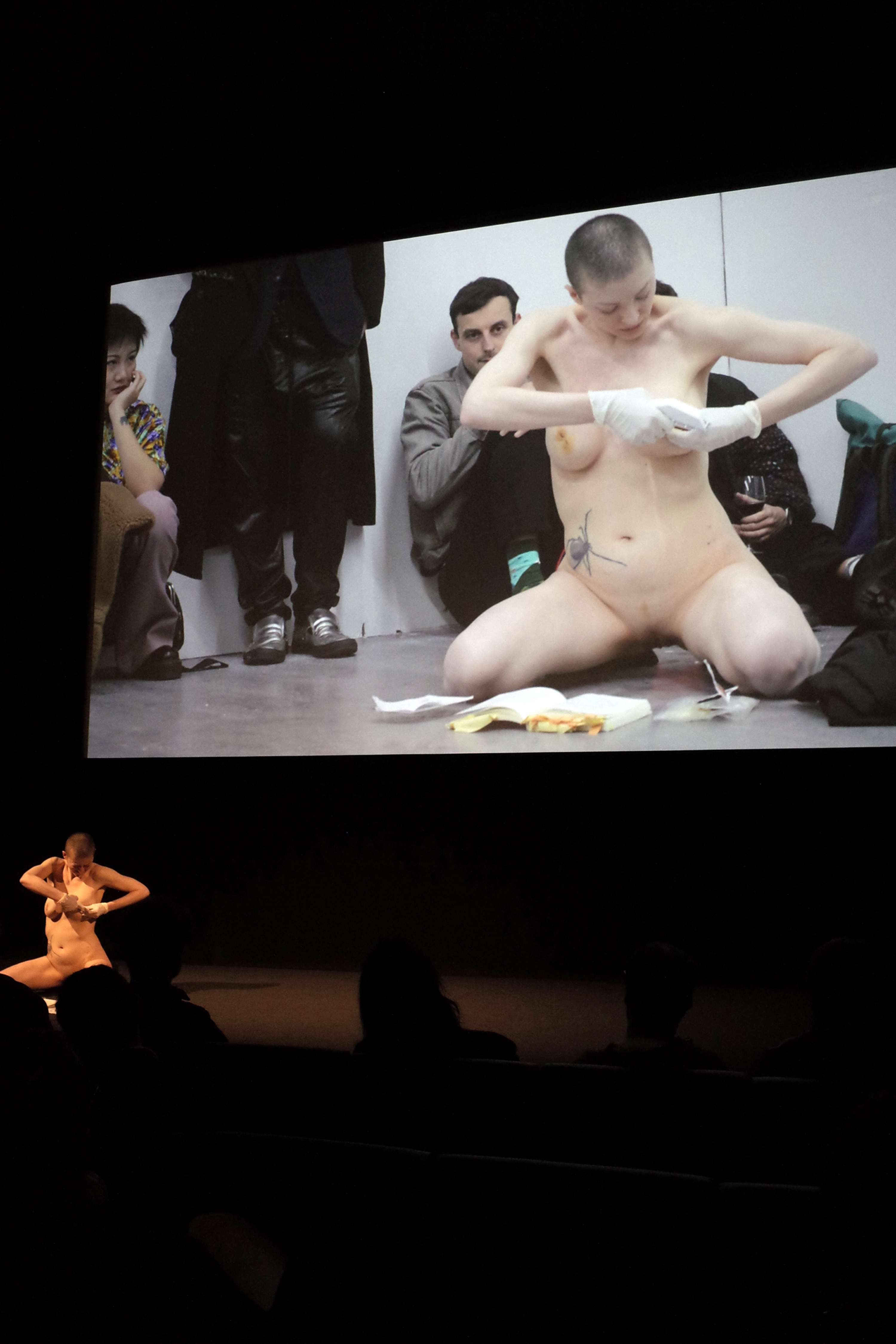
Image 17. Despina Zacharopoulou, Pudeur II (d’après F.N.), 10-minute performance & video projection [Despina Zacharopoulou, Pudeur (d’après F.N.), 10-minute performance, 2017. Camera by Vasiliki Antonopoulou.], Visual Cultures Lecture Series, Marl: Sometimes Hard, usually Soft: A Carnival of Entanglement, Gorvy Lecture Theatre, RCA, London, UK, 2018. Photograph by Åsa Johannesson.
Whereas the first version of the performance took place in a gallery with the audience being very close to the performer in a fairly intimate environment, in the second version of this work the performance took place on the stage of an amphitheater, in front of a much larger crowd compared to the first time, with the spectators already seated once the performance started, thus creating a frontal relationship with the artist. In this second case, the performer decided to project the first version of the work right behind her and repeat the same action without having visual contact with what appeared on the screen. Though it soon became obvious, through a certain kind of exchange, that the live action referenced what was taking place in the video, and vice versa, due to the impossibility of completely identifying the one with the other, a ‘thick materiality’ circulating between the two, as a sort of ‘ghost,’ essentially constituted the work per se. The ‘actual’ work was situated neither on the stage nor inside the screen: it was the ‘ghost,’ the ‘difference’ that kept circulating to ‘haunt’ the project, with this ‘ghost’ being the trauma that was allowed to circulate because of the repetition of the event of violence on stage.
Image-as-corporeal trace
In Being a threat (2016), the pulsating images produced by the artist’s bodily contractions and extensions created an image-multiplicity as they became superimposed with the image of the performer’s marked back. The exhibited whip marks exposed the forces already exerted upon the artist’s body by third parties, within a consensual environment and at a time prior to the performance. The technology of the whip used, by governing the rhythm, the density, the disparity, and the depth of the abrasions created, determined the morphogenetic processes for the images produced and exposed to the eyes of the public. Such trace-images as those produced in Being a threat (2016) would be named as ‘corporeal traces’, echoing, in a sense, the way that Spinoza grasped the idea of the image in his modal ontology:
When a fluid part of the human body is determined by an external body so that it frequently thrusts against a soft part [of the body], it changes its surface and, as it were, impresses on [the soft part] certain traces of the external body striking against [the fluid part]. (Spinoza 1996, 44)
[…] the images of things are the very affections of the human body, or modes by which the human body is affected by external causes, and disposed to do this or that. (Spinoza 1996, 87)
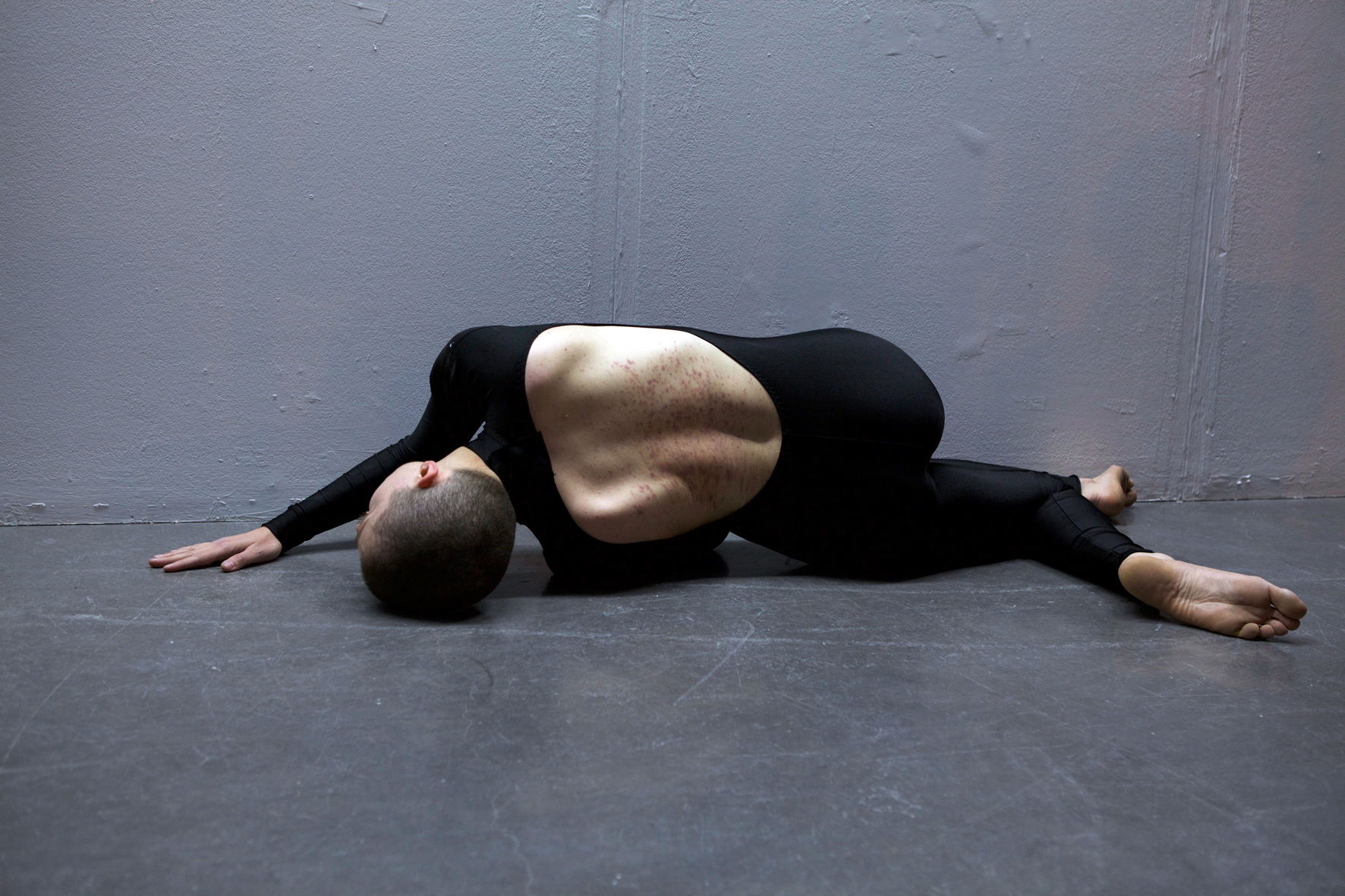
Image 18. Despina Zacharopoulou, Being A Threat, 2-hour performance, Performing Identities, Dyson Gallery, RCA, London, UK, 2016. Photograph by Ania Mokrzycka.
Following the Spinozian image-body entanglement, one could investigate the multivarious ways in which images-as-affects (Spinoza 1996, 163) might be generated in the performances presented:
- Through the images produced by the performer and which might function as affects upon the spectators’ bodies.
- Through the traumatic images registered as trace-affects upon the performer’s body, that would keep producing new images within feedback loops.
- Through the images generated by the physical affects of the spectators on the performer’s body.
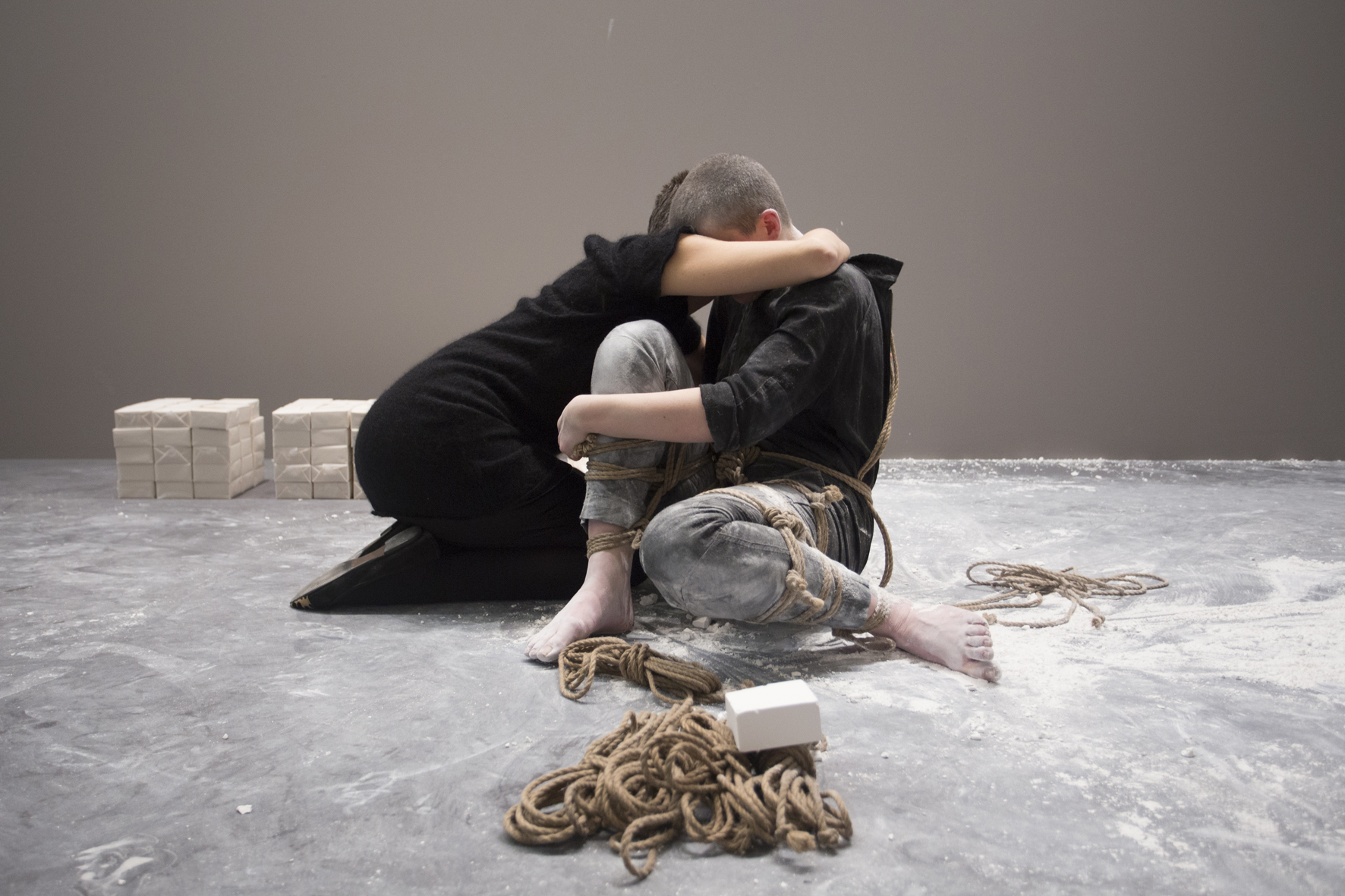
Image 19. Despina Zacharopoulou, Corner Time, 7-week (324 hours) long durational performance, commissioned by the NEON Organization and the Marina Abramović Institute (MAI), AS ONE, Benaki Museum, Athens, Greece, 10 March–24 April 2016.. Photograph by Natalia Tsoukala.
Manifestation of forces
Conscious Man as Middle Point Between Systole and Diastole.
Aby Warburg Notes on the Kreuzlingen Lecture, 1923 (Michaud 2004, 300)
In all the cases brought forward, the nexus of intensities running through the performer’s body gets to be manifested via images-as-affects, crystallized in the form of marks, movements, and/or body deformations. After adopting Heidegger’s hypothesis that the work of art is a kind of rift [Riβ] through which pulsating forces spring out like a jet/fountain of truth, to reveal things at the moment it protects them (Heidegger 2011, 121), then the works of violence at stake should function as loci for truth to be exposed. This happens precisely because performance-as-surface allows truth to spring out from the conflict taking place the moment images get produced, thus maintaining truth’s violent character.
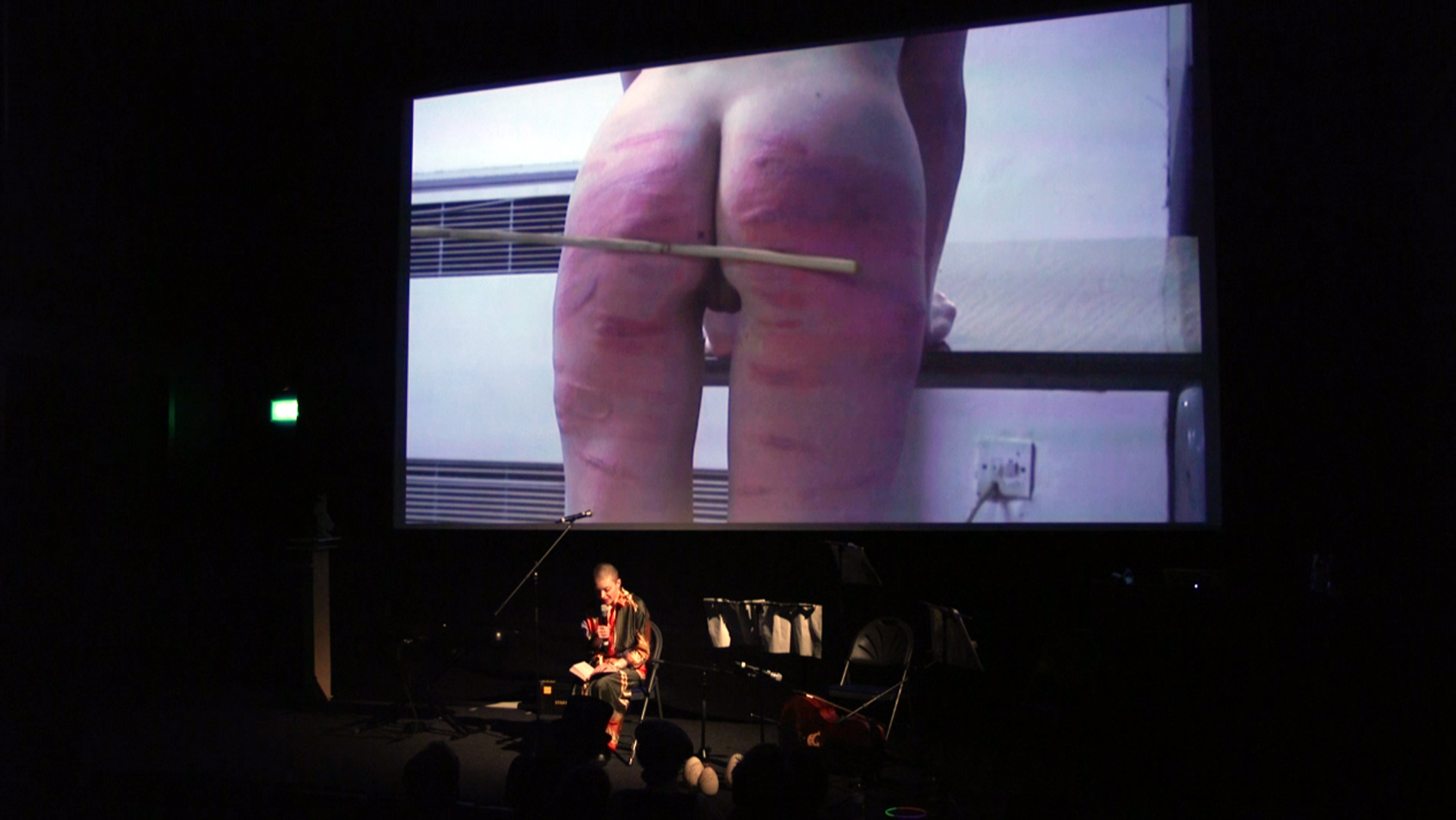
Image 20. Despina Zacharopoulou, Aphorism, 7-minute live performance & video projection, Entanglement - The Opera, Gorvy Lecture Theatre, RCA, 2019. Text read during the performance: Friedrich Nietzsche, “Of the Despisers of the Body,” in: Friedrich Nietzsche, Thus Spoke Zarathustra, transl. by R.J. Hollingdale (London: Penguin, 1961, 2003 [Chemnitz: Ernst Schmeitzner, 1883]), 61–63. Photograph by This is tomorrow.
At this point it would be necessary to clarify the nature of these orgiastic forces in relation to the philosophical references invoked in the text. Having identified areas of overlap with Heidegger’s work regarding the role of the double concealment-revelation of truth within the work of art, it would be important to separate this paper’s position from the originary quality assigned to truth by the German philosopher. Truth, as mentioned here, is not meant to be pre-existing, calling one to bring it to light as if they were conducting an archaeological excavation. In the performances examined, the event of truth takes place in the moment that bodies intra-act; it is about a trans-physical field of forces circulating through the repetition of trauma in the form of a feedback loop once forces are exercised upon bodies. However, this process should not be conceived of as a revival of an original event that happened in the past, now resuscitated for therapeutic purposes, but as a reconfiguration of both the present and the past in a form of a multiplicity, through the process of eternal return. Revelation and concealment, in this case, should not be seen as a form of a binary move, but as a vibrating signal resulting from the systoles and diastoles of a pulsating surface inhabited by heterogeneous forces. If Nietzsche saw in eternal return the mobilization of Dionysian forces through their conflict with Apollonian elements, it was because he grasped the necessity of the continuation of the circulation of these forces that dismember and disperse every kind of totality, proving that what survives within the course of eternal return is not the imitation of forms but only tensions and differences (Klossowski 1997, 43–44). All these affinities between the works of violence presented with philosophies that celebrate the free play of forces could not leave out the Sadean image of the body as a manifestation of intensities in an orgiastic dance, marking a crucial move of resistance against representation within the history of aesthetics.
Sade: exiting representation
Klossowski’s reading of the Marquis de Sade’s 120 days of Sodom showed how the figure of the libertine/pervert sought to sustain the circulation of intensities via the obsessional repetition of carnal debauchery, so as to attack normality through the “redistribution of functions” for the construction of a “sensuous polymorphy”:
[…] the pervert thus observed and documented does behave essentially as a maniac. He subordinates his pleasure to the performing of one sole gesture. (Klossowski 1991, 22)
The pervert […] seems to formulate by his gesture a definition of existence and a sort of judgement put on existence. (Klossowski 1991, 23)
Annie Le Brun, author specializing in Sade since 1986 and curator of the exhibition Sade: Attaquer le soleil (Musée d’Orsay, Paris, 14/10/2014–25/01/2015), in an interview with Éditions de Beaux Arts magazine, argued that the key question posed through Sade’s work is that of the unrepresentable:
Starting with the image of the body. How to illustrate these forces that agitate us, desire, violence, that which is called evil? (Le Brun 2014, 4)
In Sade’s literary works the body appears surrendered to all kinds of pleasure and cruelty, without limit. His heroes indulge in all sorts of sexual practices and extreme tortures, without end, as if they had to operate accumulatively to create an excess able to circulate and renew as soon as acts of pleasure and violence continue with increasing intensity, with more and more people participating in them (Klossowski, 1991, 108). By distinguishing sodomy as the most blasphemous act against Christian morality—since it does not recognize gender, nor can it lead to childbearing, and therefore cannot serve the family institution—Sade spoke of the death of God and of the revaluation of all values, long before Nietzsche did (Klossowski 1991, 24). The French writer should not, however, be confined by his readers to a mere opponent of religion, but should be recognized as a philosopher of excess.
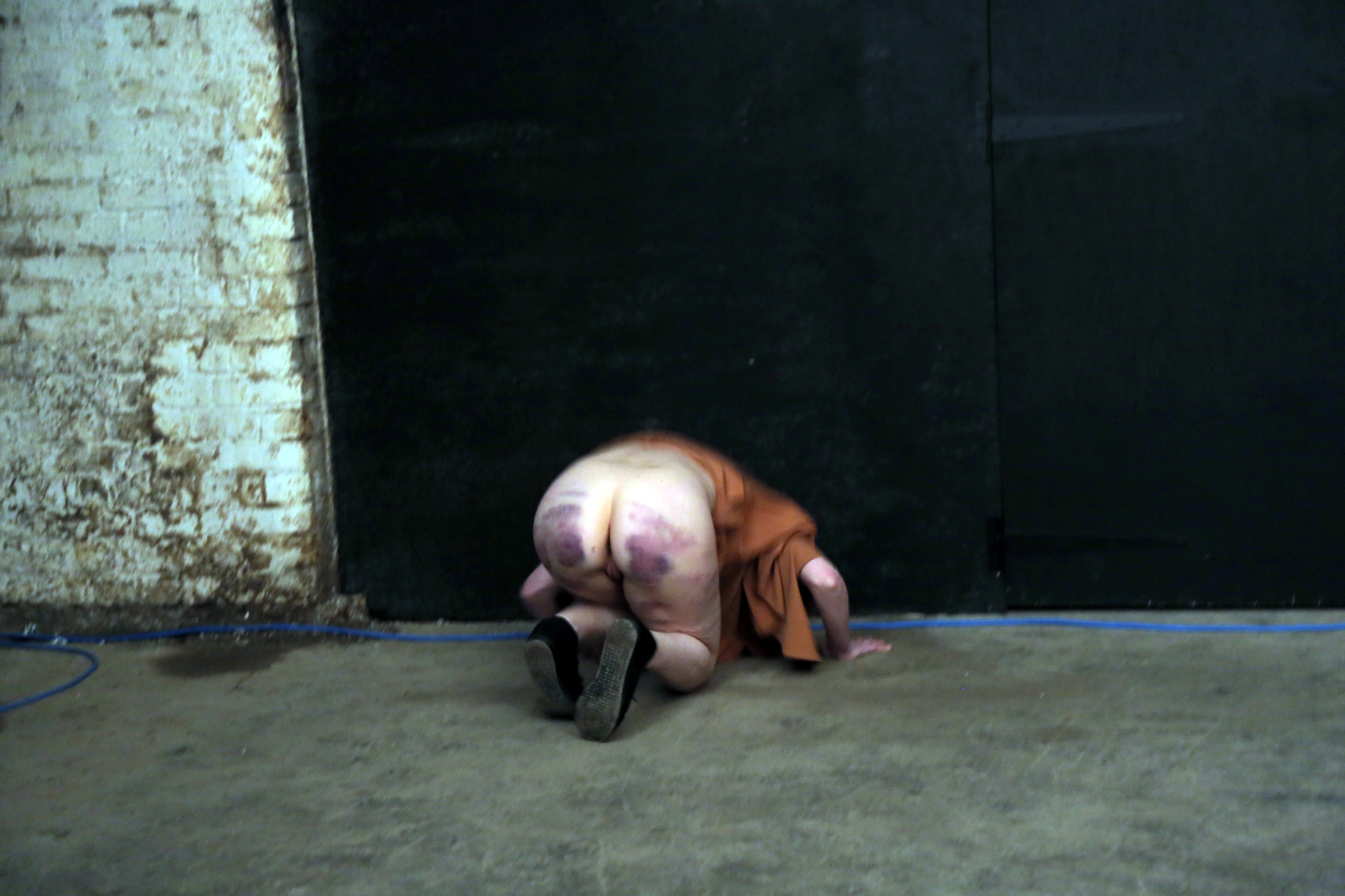
Image 21. Despina Zacharopoulou, Love *me*, 5-minute performance, 5 MINUTES OF YOUR TIME, RCA Performance Pathway, The doodle bar, London, UK, 2017. Photograph by Prof. Nigel Rolfe.
Hysteria
In the Sadean universe the combination of pain and pleasure allows a kind of calm spasmodic Beauty to emerge through bodies not entrenched in boundaries, but dismembered, pierced, and used in all possible ways. These bodies, fully submitted and under the influence of various kinds of forces, are in constant tension, adopting twisted and contorted postures, in such ways that are not far from Jean-Martin Charcot’s well-known photographic studies on hysterical patients in crisis. Charcot led the study of hysteria at the Salpêtrière clinic in Paris during the transition from the 19th to the 20th century and used the technology of photography of his time to capture the traces of hysteria on the body of patients. Despite the questionable scientific value of Charcot’s methods, his visual legacy is essentially a study of the human body in spasm while traversed by incompossible forces taking over its formations and movements to produce a whole spectrum of images.
For Charcot the origin of hysteria was due to some kind of inherited degeneration, whereas for Freud (who was Charcot’s student and attended his—almost theatrical—lectures in Salpêtrière’s amphitheater) hysteria was due to some kind of repressed primary trauma, necessarily of a sexual nature, most likely abuse (Freud 1989, 100). For the father of psychoanalysis, as can be deducted from his text “Zur Ätiologie der Hysterie” (“The Aetiology of Hysteria,” 1896), hysterical symptoms are to be seen as bodily manifestations of an obsessive repetition of trauma which, after being repelled into the unconscious, cannot be verbally expressed (Freud 1989, 106).
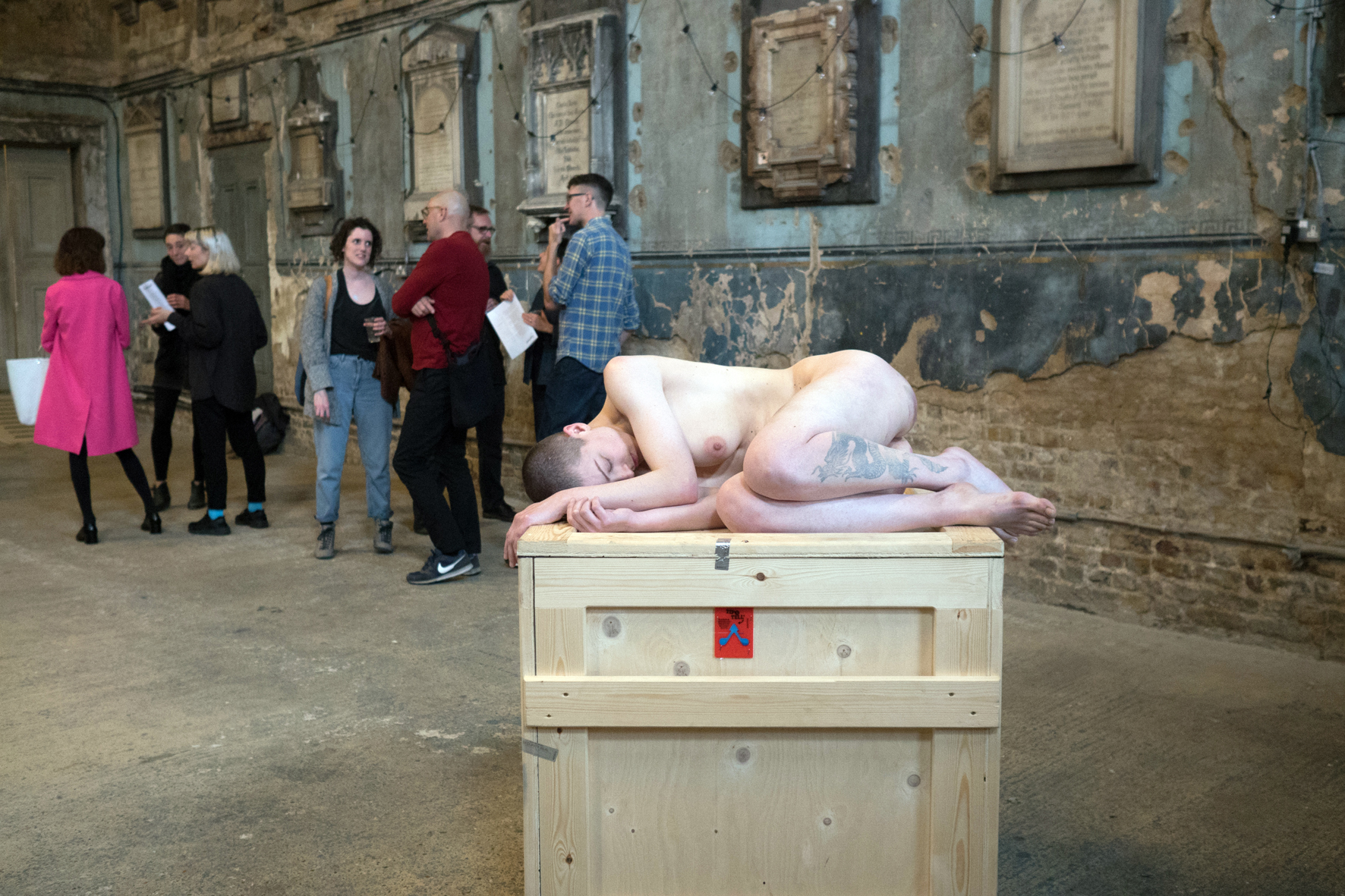
Image 22. Despina Zacharopoulou, Response-ability (d'après K.Β.), 2-hour performance, Asylum Live, Daybreak RCA Research Show, Asylum Caroline Gardens, London, UK, 2017. Photograph by Monika Kita.
However, repetition of trauma in the performances presented should not be grasped as a compulsive revisiting (“acting out”) of a primary violent experience not “[…] fully integrated into the psycho-somatic condition,” nor as its therapeutic “working through” —a set of arguments often employed in contemporary discourse on the relationship between trauma and performance art (Haughton 2018, 169–174). What is suggested, instead, is that the performance-surfaces discussed use the repetition of violence and the recurrence of trauma as technological tools for the generation of meaning and the distribution of intensities within each performance work. It is through this feedback loop that trauma keeps circulating as an obsessive image (phantasm) to then be crystallized in transient aesthetic forms via the artist’s vocabulary.
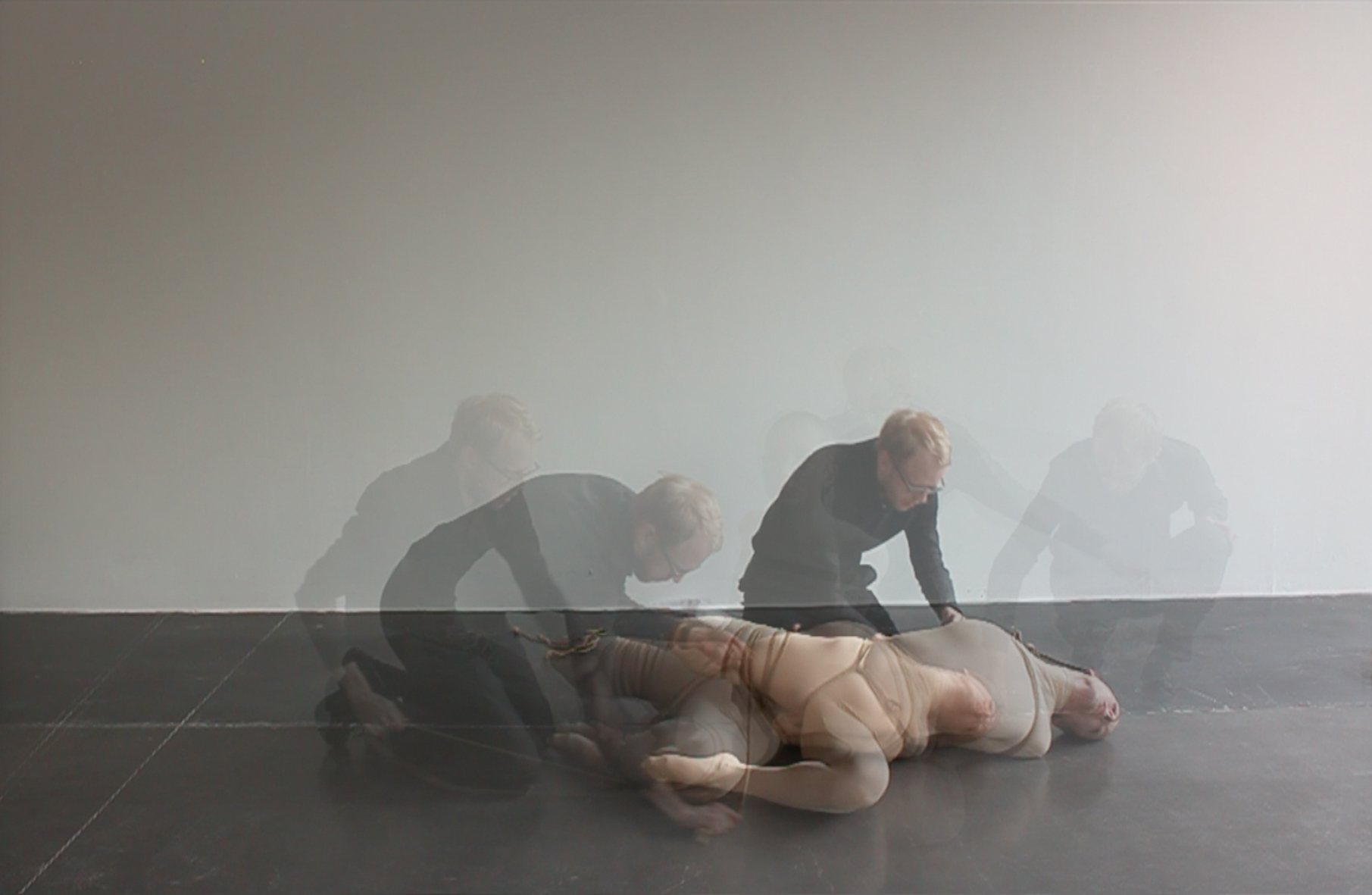
Image 23. Despina Zacharopoulou, Introduction, 20-minute performance, 2015, Dyson Gallery, RCA, London, UK. Ropes: Fred Hatt. Digital layering of video stills. Camera: Jeroen Van Dooren.
Towards a new ethics of care
To conclude, the performance practice brought forward suggests a radical revisiting of philosophy as embodied praxis and method, via technologies of violence that serve as mechanisms for the transmutation of the performer’s body into flesh, and the production and distribution of intensities within each live work. In so doing, violence and its manifestations claim a particular role and mark a radical territory of investigation within the artistic practice and philosophical tradition, which is quite different from what was at stake in the 1970s performance tradition, where violence mainly served as a means to expand one’s physical and mental limits (Abramović 2016, 71), revive rituals of transgression (e.g. Hermann Nitsch’s Das Orgien Mysterien Theater, 1962 onwards), and/or criticize the audience’s passive response to the socio-political phenomena of the time (O’Dell 1998, 60). Compared to performance artists (e.g. Ron Athey) that use violence in their work as a manifestation of contemporary sacredness leading one to ecstatic transgression (Johnson 2013), or as a way to reclaim one’s sick body (O’Brien 2018), the live works discussed here are not to be grounded upon any pre-existing taboos that need to be surpassed (Bataille 2012, 35–36), nor do they seek to adopt any given subjectivities. The starting point for these live works would, instead, be closer to Lyotard’s position:
There is no need to begin with transgression, we must go immediately to the very limits of cruelty, perform the dissection of polymorphous perversion, spread out the immense membrane of the libidinal ‘body’ which is quite different to a frame. (Lyotard 1993, 20)
The performances at stake operate as fields occupied only by intensities where parrhēsiastic games take place to reveal life-as-surface, after shattering all essentialist categories and ideological hierarchies. Within this suggested condition of successive entanglements where bodies intra-act with other bodies, the possibility of a new ethics of care emerges. The following question, then, arises: are there any ethical limits within performance-as-surface and, consequently, life-as-surface? What would be the thickness and the porosity of those limits? After dismissing all kinds of morality, what is suggested instead would be the investigation of modes of conduct based on ideas of care; with care understood here as the maintenance of one’s ability to be useful. Given that one agrees with Agamben’s definition of intimacy as “use-of-oneself as relation with an inappropriable” (Agamben 2016, 91), then the performances brought forward would allow for intimate coherences to happen, not on the grounds of possession—and thus exchangeability—but on the uninterrupted circulation of forces via the use of the performer’s body, that would then be able to shapeshift across various fluid subjectivities, through use-of-oneself. In the suggested paradigm, therefore, care would not only be an ethical apparatus to safeguard the performer’s usefulness, but also a potential social contract for a new ethical life towards being surface.
This text is based on the author's practice-led Ph.D. Thesis in Philosophy & Fine Art (Performance) at the Royal College of Art in London, supervised by Prof. Johnny Golding (Primary) & Prof. Nigel Rolfe (2015-2019), and supported by the Onassis Foundation Scholarship for Research studies (Scholarship ID: F ZL 027-1/2015-2016).
Links for performances discussed (links working at time of publication)
Corner Time (2016)
https://mai.art/projects/asone
despinazacharopoulou.com/corner-time
https://vimeo.com/197389133
Introduction (2015)
despinazacharopoulou.com/introduction-hzztl
https://vimeo.com/147328308
Being a threat (2016)
despinazacharopoulou.com/being-a-threat
https://vimeo.com/195880210
Aftercare Ι (2016)
despinazacharopoulou.com/blank-1
Love *me* (2017)
despinazacharopoulou.com/love-me
D'après S.K. (2017)
despinazacharopoulou.com/d-apres-s-k
https://vimeo.com/221403826
Aftercare IΙ (2016)
despinazacharopoulou.com/blank-1
Surface (2017)
despinazacharopoulou.com/surface-live-to-camera-ii
https://vimeo.com/249317661
Pudeur (d'après F.N.) (2017)
despinazacharopoulou.com/pudeur-d-apres-f-n
https://vimeo.com/265869390
Pudeur II (d'après F.N.) (2018)
despinazacharopoulou.com/pudeur-ii-d-apres-f-n
Aphorism (2019)
despinazacharopoulou.com/aphorism
Response-ability (d'après K.B.) (2017)
despinazacharopoulou.com/response-ability-d-apres-k-b
Works Cited
Abramović, Marina, with James Kaplan. 2016. Walk Through Walls: A Memoir. London: Penguin.
Agamben, Giorgio. 2016. The Use of Bodies. Translated by Adam Kotsko. Stanford: Stanford University Press.
Artaud, Antonin. 1988. Selected Writings. Translated by Helen Weaver. Berkeley: University of California Press.
Barad, Karen. 2007. Meeting the Universe Halfway: Quantum Physics and the Entanglement of Matter and Meaning. Durham, NC: Duke University Press.
Bataille, Georges. 1985. Visions of Excess: Selected Writings, 1927–1939. Translated by Allan Stoekl with Carl R. Lovitt and Donald N. Leslie, Jr. Minneapolis: University of Minnesota Press.
———. 2012. Eroticism. Translated by Mary Dalwood. London: Penguin.
Braver, Lee. 2014. Groundless Grounds: A Study of Wittgenstein and Heidegger. Cambridge, MA: MIT Press.
Deleuze, Gilles. 1988. Spinoza: Practical Philosophy. Translated by Robert Hurley. San Francisco: City Lights Books.
———. 1989. Masochism: Coldness and Cruelty by Gilles Deleuze / Venus in Furs by Leopold von Sacher-Masoch. Translated by Jean McNeil. New York: Zone Books.
———. 2004. Difference and Repetition. Translated by Paul Patton. London: Bloomsbury.
———. 2013. The Logic of Sense. Translated by Constantin V. Boundas, Mark Lester, and Charles Stivale. London: Bloomsbury.
———. 2017. Francis Bacon: The Logic of Sensation. Translated by Daniel W. Smith. London: Bloomsbury Academic.
Deleuze, Gilles, and Félix Guattari. 2013. Anti-Oedipus: Capitalism and Schizophrenia. Translated by Robert Hurley, Mark Seem, and Helen R. Lane. London: Bloomsbury.
———. 2013. A Thousand Plateaus: Capitalism and Schizophrenia. Translated by Brian Massumi. London: Bloomsbury.
Douady, Adrien, and John H. Hubbard. 1985. Étude dynamique des polynômes complexes. Orsay: Prépublications Mathémathiques d’Orsay.
Foucault, Michel. 2005. The Hermeneutics of the Subject: Lectures at the College de France, 1981–1982. Translated by Graham Burchell. New York: Palgrave-Macmillan.
———. 2011. The Courage of Truth: The Government of Self and Others II—Lectures at the Collège de France, 1983–1984. Translated by Graham Burchell. New York: Palgrave-Macmillan.
Freud, Sigmund. 2005. On Murder, Mourning and Melancholia. Translated by Shaun Whiteside. London: Penguin.
Golding, Johnny. 1996. “Pariah Bodies.” In Sexy Bodies the Strange Carnalities of Feminism, edited by Elizabeth Grosz and Elspeth Probyn, 172–180. London and New York: Routledge.
Greene, Brian. 2000. The Elegant Universe: Superstrings, Hidden Dimensions, and the Quest for the Ultimate Theory. London: Vintage.
Hadot, Pierre. 2001. La Philosophie comme manière de vivre. Paris: Albin Michel.
Haughton, Miriam, ed. 2018. Staging Trauma: Bodies in Shadow. London: Palgrave Macmillan.
Heidegger, Martin. 2011. Basic Writings. Edited by David Farrell Krell. London and New York: Routledge.
Holzner, Steven. 2013. Quantum Physics for Dummies. Hoboken: John Wiley & Sons, Inc.
Johnson, Dominic, ed. 2013. Pleading in the Blood: The Art and Performances of Ron Athey. London: Intellect and Live Art Development Agency.
Kierkegaard, Søren. 1985. Fear and Trembling. Translated by Alastair Hannay. London: Penguin Classics.
Klein, Melanie. 1975. Love, Guilt and Reparation and other works 1921–1945. New York: The Free Press.
Klossowki, Pierre. 1991. Sade my Neighbor. Translated by Alphonso Lingis. Chicago: Northwestern University Press.
———. 1997. Nietszche and the Vicious Circle. Translated by Daniel W. Smith. Chicago: University of Chicago Press.
———. 2017. Living Currency. Translated by Vernon W. Cisney, Nicolae Morar, and Daniel W. Smith. London: Bloomsbury Academic.
Krafft-Ebing, Richard Freiherr Von. 1895. Psychopathia Sexualis. Translated by Émile Laurent and Sigismond Csapo. Paris: Georges Carré.
Le Brun, Annie. 2014. “Sade pose la Question de l’Irreprésentable: Entretien avec Annie Le Brun et Laurence des Cars, Commissaires de l’Exposition.” Interview by Florelle Guillaume. In Sade: Attaquer le soleil - Musée d’Orsay, 4–7. Paris: Beaux Arts/Tim Éditions.
Lyotard, Jean-François. 1993. Libidinal Economy. Translated by Iain Hamilton Grant. Bloomington: Indiana University Press.
Mandelbrot, Benoît. 1973. Les Objets fractals: forme, hasard et dimension. Paris: Flammarion.
Michaud, Philippe-Alain. 2004. Aby Warburg and the Image in Motion. Translated by Sophie Hawkes. New York: Zone Books.
Nietzsche, Friedrich. 2001. The Gay Science. Translated by Josefine Nauckhoff and Andrian Del Caro. Cambridge: Cambridge University Press.
O’Brien, Martin, and David MacDiarmid, eds. 2018. Survival of the Sickest: The Art of Martin O’Brien. London: Live Art Development Agency.
O’Dell, Kathy. 1998. Contract with the Skin: Masochism, Performance Art and the 1970’s. Minneapolis: University of Minnesota Press.
Rabinow, Paul, ed. 2000. Michel Foucault: Ethics—Essential Works 1954–84. Translated by Robert Hurley and others. London: Penguin.
Spinoza, Benedict de (Baruch). 1996. Ethics. Translated by Edwin Curley. London and New York: Penguin.
Wittgenstein, Ludwig. 2005. Tractatus Logico-Philosophicus. Translated by C.K. Ogden. London and New York: Routledge.
Biography
Dr Despina Zacharopoulou is a performance artist, theorist and academic, born in Arcadia, Greece, currently working between London and Athens. Despina recently completed her practice-led Ph.D. in Philosophy & Fine Art (Performance) at the Royal College of Art, London (Onassis Foundation scholar), supervised by Prof. J. Golding (Primary) and Prof. N. Rolfe (Second, 2015–2019).
Her practice investigates performance art as surface, and philosophy as embodied practice and method towards a life which is radically other. Her work has been presented at events of global impact, e.g.: AS ONE by the NEON Organization & the Marina Abramović Institute (Athens, 2016); London Frieze (2016, 2017); A Possible Island? By the Marina Abramović Institute & the 1st Bangkok Art Biennale (Bangkok, 2018-19), etc. Press/Publications include articles in: New York Times, The Nation Thailand, Liberal Newspaper Greece, The Art Newspaper Greece, etc. Dr Zacharopoulou is a Niarchos Foundation ARTWORKS Fellow (2021) and holds the position of the Course Leader of the Contemporary Art Summer School at the Royal College of Art in London. www.despinazacharopoulou.com
© 2022 Despina Zacharopoulou
Except where otherwise noted, this work is licensed under a Creative Commons Attribution-NonCommercial-ShareAlike 4.0 International License.