Shalom Ìbírónkẹ , Bowen University, Nigeria
Yemi Atanda, Osun State University, Nigeria
Initiation ceremonies in university Theatre Arts departments across Nigeria and other parts of Africa have been met with many widely held assumptions, including that the ceremonies are heathenistic, unnecessary, and even unprofessional due to their occurrence at the start of theatre training rather than at its conclusion, as is common in other professions. Through an integration of specific African philosophical frameworks, we discover and reveal the profound cultural and pedagogical significance of these rituals and their implications for decolonial practices in theatre. Central to this exploration is the concept of Ubuntu, which emphasises interconnectedness with its maxim “I am because we are.” Ubuntu positions initiation rituals as a means of integrating new members into a communal fold, as is also obtainable in the African rites of passage that mark significant transitions across life phases. This has transformative goals similar to those of theatre initiation practices. I draw on the mytho-ritual framework, rooted in African mythology and prevalent in the works of African playwrights like Wole Soyinka and Femi Osofisan, for its resonance with these initiation practices. I propose that theatre initiation ceremonies offer unique insights that challenge and enrich global performance discourses by situating these Indigenous philosophies within the broader context of performance philosophy. The research thus provides a critical lens for reimagining theatre education as a site of decolonial praxis and cultural affirmation.
In 2021, first-year Theatre Arts students at Rivers State University were seen having a parade around the campus adorned in body paint on their exposed shoulders, draped in red and black cotton wrappers. The spectacle sparked mixed reactions. While some appreciated the vibrancy and cultural resonance of the display, many others criticised it as heathenistic, unnecessary, or unprofessional, highlighting a broader contention surrounding initiation ceremonies in theatre education, which are often misunderstood or dismissed outright.
Initiation ceremonies are structured processes held in Theatre Arts departments across universities in Nigeria and other parts of Africa every first semester when new students arrive. These new students undergo the initiation process, which culminates in the initiation ceremony that formally welcomes them into the theatre community. Unlike rituals in other professions, such as the White Coat Ceremony in medical education or induction ceremonies in physiotherapy, typically marking the culmination of training, theatre initiation rituals occur at the very beginning of a student's journey, prompting scepticism about their purpose and relevance.
The scepticism surrounding theatre initiation rituals stems largely from a lack of understanding of their cultural and philosophical foundations, especially within African contexts. There are hardly any academic articles in Nigerian and African scholarship detailing the rationale behind the theatre initiation ceremony. This gap in knowledge leaves room for misinterpretation, often fueled by conspiracy theories or outright falsehoods. Even within the theatre profession, practitioners sometimes engage in these rituals without a clear understanding of their deeper meanings, performing them out of tradition rather than intent. This disconnect reveals an urgent need to detail the rationale behind theatre initiation ceremonies and situate them within a broader philosophical and cultural framework.
This article seeks to reframe the perception of theatre initiation ceremonies by grounding their purpose and relevance in relation to African philosophical traditions. It challenges dominant Eurocentric discourses that marginalise non-Western pedagogic practices, examining how Indigenous philosophies intersect with contemporary performance theory. Drawing from extensive experience of managing, directing, and participating in theatre initiation ceremonies, as well as from foundational works in African theatre philosophy, this paper highlights how these rituals serve as vital models for decolonial praxis in theatre education. I argue that far from being superstitious or perfunctory, theatre initiation ceremonies are performative rites of passage, deeply rooted in African cultural and philosophical traditions. Situating theatre initiation ceremonies within a decolonial framework allows this research to contribute to ongoing conversations on reimagining theatre pedagogy and philosophy, both within African contexts and globally.
Your pain is My pain,
My wealth is Your wealth,
Your salvation is My salvation. (Mbiti 1969, 108)
At its core, Ubuntu asserts that people are inherently bound to one another. It emphasises mutual responsibility, compassion, dignity, and harmony. It is a social philosophy integral to African culture, aimed at building and maintaining a sense of community. Ubuntu challenges the Western notion of individualism by rooting the identity of the individual in their community. This is encapsulated in the maxim, “I am because we are; and since we are, therefore I am” (Mbiti 1969, 108–109). This principle is echoed in African proverbs like “umuntu ngumuntu ngabantu” (Nguni) and “motho ke motho ka batho babang” (Sotho), both of which translate to “A person is a person through other people” (Mkhize 1998, 1).
Consequently, in Ubuntu, human beings are strongly interdependent, so they are not fully formed in isolation but thrive within a “tender network of interdependence” (Battle 1997, in Nussbaum 2003, 22). Turaki (2006, 36) elaborates that people are not autonomous entities but members of a community, deeply intertwined through relationships. While Ubuntu thrives in African communities, scholars like Nussbaum argue that it offers significant potential for global application, particularly in a world often divided and fragmented. Nussbaum (2003, 22) envisions Ubuntu as a cornerstone of the African Renaissance, capable of enabling global interconnectedness and unity.
A fundamental tenet of Ubuntu is respect for each person's dignity and humanity. Actions that enhance the dignity and humanity of others are deemed right, while those that degrade or harm are considered wrong (Broodryk 2005, 174). The term Ubuntu translates loosely to “humanness” or “being human” (Khoza 2006, 6). Desmond Tutu offers an explanation of Ubuntu which contrasts African communal values with Western individualism:
Ubuntu is very difficult to render into a Western language. It speaks of the very essence of being human. When we want to give high praise to someone we say, “Yu, u nobuntu”; “Hey, he or she has ubuntu.” This means they are generous, hospitable, friendly, caring, and compassionate. They share what they have. It also means my humanity is caught up, is inextricably bound up, in theirs. We belong in a bundle of life. (Tutu 1999, 34–35)
Ubuntu promotes ethical actions that enhance the well-being of others. It posits that ethical actions are those that contribute positively to the welfare of one's community and fellows. The philosophy asserts that actions should promote the well-being of others without violating their rights. This principle highlights the balance between individual rights and communal welfare. It consequently encourages solidarity with groups whose survival is threatened, advocating for actions that support vulnerable communities. The philosophy underscores that individual success is tied to the success of the community, consequently promoting a sense of collective responsibility and mutual support (Lutz 2009, 315).
As an analytical framework for this study, Ubuntu provides a lens through which we can interpret the theatre initiation process as more than mere tradition—it is a manifestation of communal identity formation that challenges the individualistic paradigms prevalent in Western educational models. The initiation processes embody Ubuntu principles by emphasising collective growth, shared responsibility, and the interconnectedness of all participants. Through this lens, we can understand how these rituals serve as decolonial interventions that reclaim Indigenous ways of knowing and being.
Initiation rites are a deep part of African cosmology. They serve as important ceremonies with implications for both the individual participant and the community. These rites are integral to celebrating significant life transitions, such as the passage from childhood to adulthood. These rites help people navigate changes in status and identity, offering guidance to them in their new roles within their community (Kyalo 2013, 37). These rites of passage often involve key moments in life, including marriage, parenthood, and even death (Burrow 2023, 22).
In African societies, these initiation rites hold huge cultural and spiritual significance. They are transformative processes that not only prepare people for new roles but also embed them within a shared cultural and spiritual framework. For the initiates, these rituals provide a structured means to recognise, acknowledge, and adapt to their evolving identities. At the same time, the ceremonies serve as communal affirmations of their acceptance of these new social roles and responsibilities. Initiation rites therefore help the individual initiate reflect on the transformative experiences, and it also offers a framework to make sense of their transitions and reinforces their sense of belonging within the community.
The dramatic elements of initiation ceremonies, such as dances, symbolic actions, and the use of sacred objects, imbue these rites with deep meaning. These elements serve to emphasise the significance of the transition, instilling a deep sense of cultural identity and purpose in the participants. Furthermore, initiation rites enable psychological growth and social integration by affirming the individual’s new identity and responsibilities. They help initiates navigate the complexities of their evolving roles and the expectations placed upon them in society.
One of the most vital functions of initiation rites is the transmission of cultural values, beliefs, and sacred knowledge to the younger generation. These ceremonies are not merely symbolic; they are educational processes through which initiates learn about their community’s history, traditions, and spiritual foundations. This cultural education is essential for preserving and perpetuating the community's heritage (Kyalo 2013, 40). Moreover, initiation rites strengthen communal bonds by bringing together families in celebration and the wider community. These collective events create a sense of unity, support, and shared identity, reinforcing the interconnectedness between the individual and the community. As Mbiti (1969) observed, the well-being of the individual is inseparable from that of the community, and rituals are a means of expressing and sustaining this interdependence.
While rites of passage have historically served as key rituals for guiding people through life’s transitions, it has been asserted in scholarly spaces that these ceremonies must remain relevant and dynamic. Artz et al. (1998, 367) argue that rites of passage should not be static or empty formulas but rather meaningful practices that evolve to reflect contemporary societal values and realities. Without such adaptability, young people may create their own informal, and sometimes detrimental, rituals to navigate their identities and transitions (Artz et al. 1998, 360). This challenge is particularly evident in contemporary societies like the United States, where there is a noted scarcity of structured youth-focused rites of passage. The Encyclopedia of World Problems & Human Potential (2022) highlights that this absence can lead to confusion, disillusionment, and a lack of well-being among young adults as they struggle to establish their identity and place in society. To address this, scholars suggest that institutions such as universities promote structured rites of passage that encourage healthy lifestyles, for adults to offer mentorship, and for religious communities to provide moral and ethical guidance (Smith et al. 2011, 54). This indicates a need for more structured and supportive rites of passage. Whether in traditional or modern contexts, the value of these rites lies in their ability to guide people through critical life transitions, affirm their roles within the community, and ensure the continuity of cultural and social values.
The term “Mytho-Ritual” refers to the interconnectedness of myth and ritual within cultural, religious, or social frameworks, particularly in African contexts. This framework serves as our primary analytical tool for understanding the significance and function of theatre initiation ceremonies. Thus, below is an exploration of its key components and their relevance to our analysis:
Myths are traditional stories that convey a society’s beliefs, customs, and ideals. They often explain the origins of the world, natural phenomena, or human practices through characters like gods, heroes, or supernatural beings. Rituals, on the other hand, are ceremonial acts or sequences performed in a set manner, often as part of a religious or cultural tradition. They can include rites, ceremonies, festivals, or daily practices laden with symbolic meaning.
The mytho-ritual symbiosis is characterised by mutual reinforcement where myths supply the narrative and ideological backbone that justifies or explains the rituals, while rituals bring myths to life, making them tangible and experiential. Together, they serve to maintain cultural continuity and identity, educating and reinforcing values, history, and social norms through storytelling and participatory acts. They perform symbolic roles, like defining relationships with the divine, nature, or community, and practical ones, such as marking significant life transitions, seasons, or social statuses. Psychologically, these practices offer comfort, resolve existential queries, and strengthen communal bonds.
In Indigenous cultures, mytho-rituals might manifest in creation stories paired with dances or ceremonies that celebrate these origins. In religious traditions like Christianity, the myth of Christ’s resurrection is embodied in the ritual of Easter celebrations. Scholars such as Mircea Eliade and Victor Turner have analysed how myths and rituals function to maintain societal order or inspire change.
African initiation rites exemplify this mytho-ritual connection. They are sacred and they involve spiritual elements like offerings and prayers that link participants to ancestors and the divine. These rites are not just ceremonial; they invoke blessings, guidance, and protection, reinforcing the spiritual framework of the community. They are rooted in mythology, where stories of ancestors, deities, and supernatural beings provide context for the rituals, connecting participants to their cultural heritage and foundational myths. They also educate the young about the community’s sacred knowledge, rooted in myth, teaching moral and ethical codes alongside the spiritual significance of rituals, thus preserving cultural integrity.
Initiation often involves symbolic acts that signify transformation, using masks, masquerades, body paintings, sacred objects, and gestures to represent life’s transitions, drawing directly from mythological themes. Participants may undergo physical and psychological challenges that symbolise their shedding of childhood and their emergence into adulthood (Kyalo 2013, 39). This transformation is akin to the mythical journeys of heroes who face trials and emerge changed, embodying the values and strengths of their culture.
In African theatre, scholars like Wole Soyinka and Femi Osofisan leverage this mytho-ritual framework to explore cultural identity and address contemporary issues. Osofisan adapts oral tradition, myths, legends, and folktales to address social and political issues, symbolically representing society’s contradictions and envisioning possibilities for positive change. He argues that history and myth should be reinterpreted to empower the marginalised, not just to record the achievements of the ruling elite (quoted in Ogungbade 1983, 33). He believes history is relevant only as it clarifies the present, advocating for narratives that highlight the struggles of the masses.
In Morountodun (1982), Osofisan reinterprets the myth of Queen Moremi via Titubi, a character who takes on Queen Moremi’s role during a peasant revolt but ultimately aligns with the peasants against her own class. This novel interpretation merges two historical periods and uses Moremi’s legend to illustrate contemporary issues. Titubi’s transformation is symbolised as “Morountodun” or “sweet thing,” representing a new consciousness that converts the rich to fight for the poor. Osofisan reinterprets Moremi’s myth from a socialist realist perspective, suggesting that different historical and social conditions would yield different narratives. He creatively reimagines Moremi as a revolutionary figure opposing the gods and traditional values. This parallels characters like Latoye in The Chattering and the Song (1977) and Biokun in No More The Wasted Breed (1983). Through characters like Moremi, Titubi, and Marshall, Osofisan urges society to defy oppression, reshape traditional values, and take control of its destiny. He posits that the reinterpretation of myths and history can inspire social change, envisioning a future where the common people, like Latoye in The Chattering and the Song, remould their reality.
Osofisan challenges established norms and histories from the perspective of the oppressed. He suggests that people can shape their own destiny by reimagining their cultural and historical narratives. This is similar to the revolutionary vision advanced in I Will Marry When I Want (1982) where Ngugi wa Thiong’o and Ngugi wa Mirii prescribe through their sympathetic portrayal of the farmers that the writer must be committed on the side of the majority. It is also adopted by other African writers like The Curse by Kole Omotoso (1976), If... (1983) and Hopes of the Living Dead (1988) by Ola Rotimi, Katakata For Sufferhead ([1978] 1983) by Segun Oyekunle, and Kinjekitile (1970) by Ibrahim Hussein. These plays shift focus from the privileged to the common people.
This, however, contrasts with the likes of Soyinka and JP Clark’s more traditional views, where myth is often treated with reverence and seen as a reflection of absolute truths (Onwueme 1991, 51). Soyinka uses Yoruba mythology to explore metaphysical interconnectedness of history, ritual, and drama. In his book, Myth, Literature, and the African World (1976), Soyinka uses Yoruba deities like Ogun (the god of iron and war) and Sango (the god of thunder) to illustrate the cosmic birth of tragedy in African experience. His plays often draw parallels between African and Greek mythologies, highlighting the universal relevance of African myths.
Both Soyinka and Osofisan however incorporate elements of African oral traditions and storytelling into their works. This includes the use of proverbs, songs, and communal experiences that resonate with audiences, making the themes more relatable and impactful. Osofisan’s plays, for example, often feature dialogues that challenge authority and encourage collective action, reflecting the communal nature of African societies as further emphasised by the Ubuntu philosophy. The philosophical approach to myth in their works also varies. Soyinka often engages with the existential and tragic dimensions of human experience through myth, while Osofisan focuses on the potential for change and empowerment. He advocates for a more dynamic and reconstructive view of human conditions.
Using the mytho-ritual framework as our analytical tool allows us to examine theatre initiation ceremonies as:
This framework provides a structured approach to understanding how these ceremonies function beyond their surface elements, revealing their deeper cultural and philosophical significance.
Initiation ceremonies are held in Theatre Arts departments across Universities in Nigeria and some other countries in Africa, every first semester when new students arrive. These new students are made to undergo the initiation process which ultimately builds to the initiation ceremony. During initiation, older students under the guidance of staff members teach the new students the basics of the art of theatre.
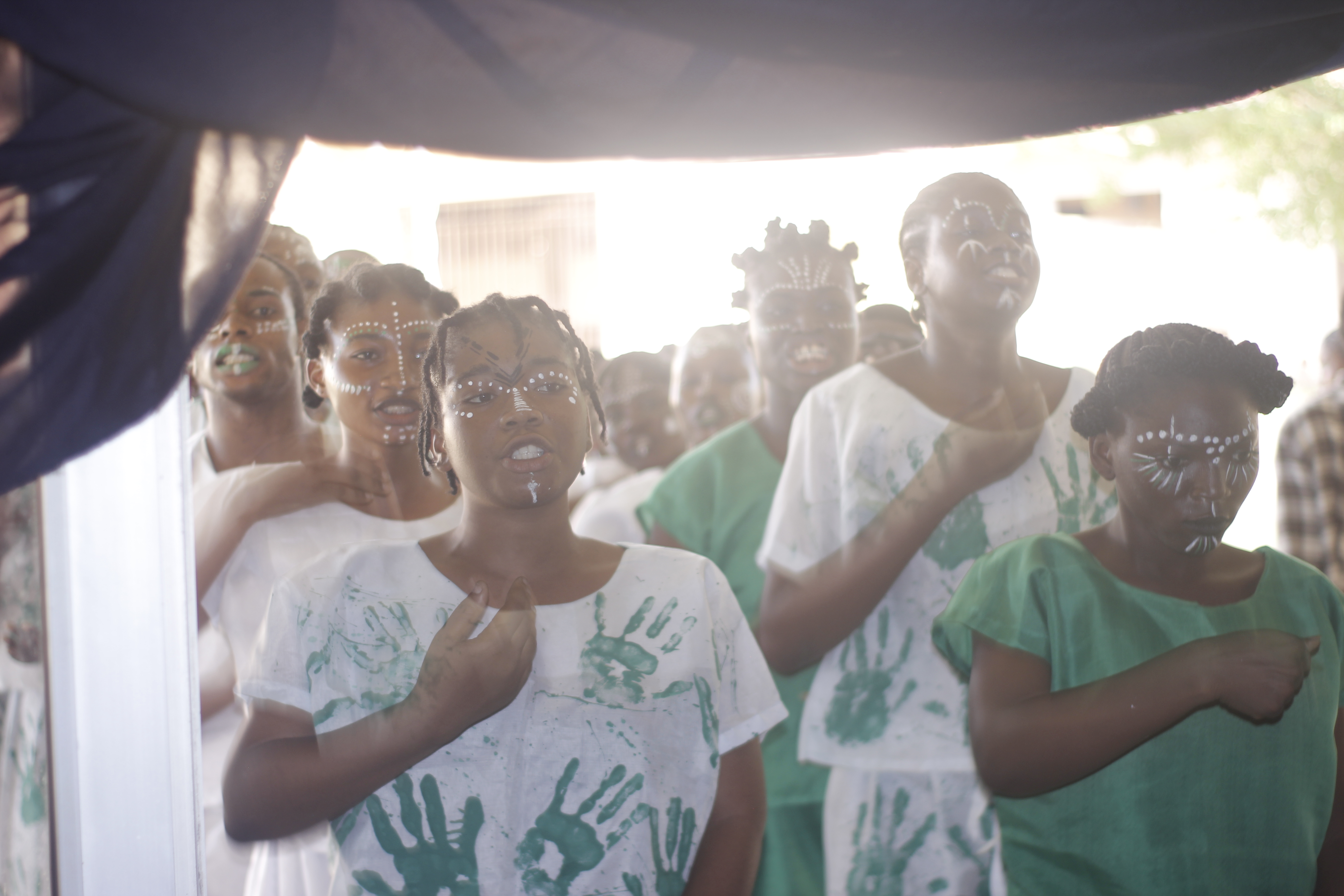
Figure 1. Bowen University’s 2024 Theatre Induction
They are first told to get Black rehearsal wears. And during this process, especially when they have to do dance movements involving crawling, they realise why the rehearsal wears have to be black and not more fanciful colours like white or pink, as white absorbs dirt. They are also told that this black rehearsal wear must be uniform—everyone must have it and wear it to rehearsal. During the rehearsal process, they realise that Black is the choice colour because it is a neutral colour that doesn't distract the eye. This allows performers to focus on their movements and interactions rather than on each other’s clothing. It also helps directors and choreographers to envision the overall scene without visual distractions. Wearing black also creates a sense of uniformity among the cast and crew, consequently creating a collaborative atmosphere. This subtly says to everyone that they are part of the same team working toward the same goal. Black clothing can also blend into the background of the theatre easily if needed. This makes it useful for stagehands and crew members who need to be less noticeable during scene changes or even technical rehearsals. As a colour, Black conveys a sense of professionalism and discipline. It signals that participants are serious about their craft and are ready to work.
Participants are also told that Call Time is important and that a rehearsal scheduled for 7:00 am should hold no later than 7:00 am. Those who come later than the call time are punished. Sometime during the initiation process, they see how when performers playing major roles come late, the rehearsal is held to ransom and no one gets to do anything productive until they are around. They then learn that Call time ensures that all members of the cast and crew arrive on time. They realise that this is essential for maintaining discipline and professionalism within the team as punctuality is a sign of professionalism and discipline, which are crucial traits in the performing arts. Being on time shows respect for the craft, the trainers, and fellow performers. This respect is drilled into the initiates during initiation. The rehearsal cannot run smoothly without everyone being present because theatre and performance art are collaborative endeavours. Late arrivals disrupt rehearsals. They affect the team morale and impede the smooth operation of the rehearsal process. Not adhering to call times ensures that rehearsals and training sessions do not run efficiently and on schedule. In cases where the rehearsal space is rented for a specific time, late arrivals can cause delays and potentially result in incomplete rehearsals or insufficient preparation time. Conversely, being on time allows performers to adequately prepare, both physically and mentally. Latecomers might miss warm-ups, important instructions, or crucial parts of the rehearsal, compromising their performance and the overall quality of the production. When everyone comes in time, there is an air of fairness and equality. The environment feels supportive and respectful. They therefore see why penalties for lateness help reinforce this standard and ensure consistency throughout the process.
As they all wear all-Black and they are the only ones who wear that colour on campus, it is easy for them to recognise each other. Sometimes, they get to come down to campus together. Initiation rehearsal could start at 7:00 am, end by 9:00 am just in time for students to have regular classes, then resume at 4:00pm or at 10:00 pm and run through the night. Theatre initiates spend an extensive period of time with each other when one adds rehearsal time with regular lecture time. This means that on some days, they spend as many as 15 hours with each other. The result of this is that they begin to form stronger bonds, camaraderie and trust among the group. They will soon realise that these strong interpersonal bonds enhance teamwork and collaboration, both on and off the stage, which they will need throughout their careers. Unlike in other educational programmes in the University, theatre art courses often require theory and practicals and most of these practicals are done in teams. Improved teamwork skills therefore prepare them for the post-initiation reality.
Continuous interaction improves their communication skills. These young artists learn to express their ideas more effectively and understand each other’s cues and nuances, which is crucial for seamless performances and collaborations. Regular classes and rehearsals also provide opportunities for shared learning experiences. Artists can exchange feedback, learn from each other's strengths, and collectively improve their skills. They begin to build memories and form in-group languages and codes often from plays. Students then get their first nicknames, usually after their first role. A student named ‘Adebayo’ then gets the nickname ‘Mandela’ because he plays the role of Mandela in an adaptation of Long Walk to Freedom. This close-knit environment can lead to creative synergy. Collaborators often develop a deeper understanding of each other’s creative processes, increasing the possibility of them being inspired to create more cohesive and innovative performances. When they spend these extensive periods of time together, they get to create a support system where artists can rely on one another for emotional and motivational support. The rigorous schedule of rehearsals and classes also instil in them discipline and time management skills. These young artists learn to balance various demands, which is valuable for their professional growth. And when they begin to rehearse, they are informed that they can mount challenges for each other’s roles. This creates an environment of healthy competition, where people strive for excellence while also celebrating each other’s achievements. You will see them clapping when a person challenges for a role and the original ‘owner’ of the role does it even better on second attempt.
Many times, this extensive period of time includes rehearsing at ‘odd’ hours. This is often because of scarcity. There are many performances and only a few spaces. These performance spaces may only be available at unconventional times, especially at busy periods or with shared venues. Additionally, not cast and crew members have varied schedules. This sometimes necessitates late-night or early-morning rehearsals. Lighting, sound checks, and other technical rehearsals are often scheduled for times when the venue is otherwise free. This can be outside standard hours. Creatives soon realise that inspiration and creativity don't always adhere to a 9-to-5 schedule. Rehearsing at different times can help artists tap into different energies and perspectives.
These unconventional rehearsal times therefore prepare artists to adapt to the unpredictable nature of theatre production schedules. It mirrors the realities of professional theatre, where rehearsals and performances can simply happen at any time. It also reinforces the importance of commitment and discipline, qualities essential for a successful career in the performing arts. These rehearsals at unconventional times can sometimes lead to heightened focus and creativity, as there may be fewer distractions.
The theatre experience that this births inspired the lyrics of the Nigerian Universities Theatre Arts Students Association. It says:
No one can say,
No one can tell,
The kind of love that binds us
The theatre arts people,
Are great people
And the love that binds us stands,
The code of love,
That binds us,
Spirit, soul, and body, we have become one, and so shall it be forever.
This anthem is first sung after the initiation rites are done during the initiation ceremony, after they have been declared theatre artists. When they sing this during initiation, they sing it with purpose and meaning because they have formed a bond, a tight-knit with these people with which they embarked on the initiation journey. A popular initiation song goes:
(Yoruba) (English) O wuwo me le gbe o It’s so heavy, I can’t carry it O wuwo lati gbe It’s so heavy to be carried Eni o ri re o pe ko pada o Whoever is not right in the mind should withdraw Ah, o wuwo lati gbe Ah, it’s so heavy to be carried Eni ara re o ya ko pada o Whoever feels ill should withdraw Ah, o wuwo lati gbe Ah, it’s so heavy to be carried Omo olosu meje ko dehin o The seven-months old child should withdraw Ah, o wuwo lati gbe Ah, it’s so heavy to be carried
A key part of the initiation is an initiation procession. The procession is done around the university. It is rooted in tradition, symbolism, and community. Just like traditional African initiation rites, the procession symbolises a rite of passage for the new students. It marks their transition from novices to members of the theatre arts community, and signifies their readiness to embrace the responsibilities and privileges that come with this new role. They sing:
There is one course I want to read o
There is one course I want to read
Eh, I want to read theatre
Eh, I want to read theatre
Eh, Eh, Eh, I want to read theatre
There is one course I want to read.
They sing these songs, often flowing between solemnly and a faster pace. The procession helps integrate the new students into the wider university community. As they move through different parts of the campus, they symbolically connect with various facets of the university life, reinforcing their sense of belonging. The act of processing around the university grounds also reflects the preservation of tradition. Older students lead the procession as they go around and they should tell the initiates the story behind the places being toured and of the theatre arts, especially as practiced on that campus. This way, they honour the history and cultural practices of theatre arts and connect the new generation of students with those who came before them. Importantly, the procession and the songs serve to publicly recognise the new students and their commitment to theatre arts. They declare: I want to study theatre. It allows the entire university to acknowledge and celebrate the achievements and growth of these individuals. Walking together as a group also creates a sense of unity and camaraderie among the new students. It builds team spirit and reinforces the bonds formed during their initial training period. Ultimately, the procession adds a ceremonial gravitas to the initiation, making the event memorable and significant. This is why the makeup and costume of the procession is usually other-worldly, picturesque, and comment-provoking. This emphasises the seriousness and respect associated with joining the theatre arts community. By the end of the initiation, the initiates know each other so closely. They understand that theatre is a collaborative art which can never be achieved in isolation. They learn to be intentional about collaboration. Their identity becomes rooted in their community and the ubuntu ideal is fulfilled.
Ubuntu’s emphasis on the interconnectedness of all people and the idea that “I am because we are” aligns closely with the principles and practices observed in initiation ceremonies, especially as the initiation process creates a sense of belonging and unity within the theatre community. This reflects the Ubuntu philosophy’s emphasis on community and the idea that individuals find their identity through their relationships with others—“I am because we are.”
When new members are educated about the history, traditions, ethics, and values of their theatre community, trainers are ensuring the continuity and preservation of the cultural heritage they love dearly. This aligns with Ubuntu’s focus on collective memory and shared learning. Teaching the ethics and values that underpin theatre practice helps instil a sense of responsibility and moral integrity in new members. This moral education is a core aspect of Ubuntu, which values the development of people who contribute positively to their community.
The initiation rituals emphasise the interconnectedness of the past, present, and future. By connecting new members with the traditions and histories of their community, trainers help reinforce the idea that each person’s actions and contributions are part of a larger, ongoing cultural narrative. The process of initiation helps new members understand their role within the theatre community and recognise their contributions to the collective identity. This mirrors the Ubuntu belief that an individual’s well-being and success are tied to the well-being and success of the group.
As an analytical lens, Ubuntu allows us to understand these initiation ceremonies not merely as performative acts but as profound expressions of communal identity and responsibility. The extensive time spent together, the shared challenges, and the collective celebration all embody the Ubuntu principle that one’s humanity is bound up in others’. The emphasis on punctuality, respect for the craft, and commitment to the group illustrates how these ceremonies cultivate ethical responsibilities toward the collective—a core element of Ubuntu philosophy.
Through this Ubuntu lens, we can see how the theatre initiation process functions as a decolonial practice by promoting values that challenge Western individualism and competitive education models. The ceremonies create a sense of collective growth and mutual support that counters colonial paradigms of individual achievement and merit. They create spaces where Indigenous knowledge systems can thrive and where students can develop identities rooted in their cultural contexts rather than imposed Western models by centring communal values and responsibilities.
Understanding initiation rituals through traditional African mytho-rituals disrupts colonial narratives on educational rituals, and centres a decolonial perspective on pedagogy. The incorporation of these traditional African rituals and practices positions theatre education as one that veers away from its Eurocentric nature and reclaims and re-centres Indigenous cultural heritage. This challenges colonial narratives that often marginalised or dismissed non-Western cultural forms.
It is important to note that very shortly before theatre and drama started in Nigerian Universities, renowned European anthropologist, Ruth Finnegan dismissed traditional African drama, saying: “with a few possible exceptions, there is no tradition in Africa of artistic performances which includes all the elements which might be demanded in a strict definition of drama—or at least not with the emphases to which we are accustomed” (Finnegan [1970] 2012, 516). These rituals therefore affirm the identities of students, emphasising the value of their own cultural heritage. Consequently, this counters the colonial mindset that often-imposed Western norms and devalued local traditions. When these rituals are portrayed and centred, they highlight and validate Indigenous knowledge systems and ways of learning. They emphasise the importance of oral traditions, communal practices, and spirituality, providing a more holistic and Africanised approach to education. They serve as acts of resistance against the homogenisation and standardisation imposed by colonial education systems. They underscore the diversity and richness of African cultures.
When students engage in these rituals, they are given a sense of ownership over their cultural practices. These young adults who are raised in post-colonial African societies which are so heavily colonised that students are told that African Traditional languages are vernacular, and that African Traditional religious forms are heathenistic. This process then empowers them and gives them a renegotiated relationship with their culture and tradition. A sense of agency and pride in their heritage is therefore created in them and they are encouraged if not inspired to challenge and critique colonial legacies. Among them, they successfully build strong communal bonds among students, as is expected of Africans, and in this case, students of African origin. This promotes a sense of solidarity and collective identity. This communal approach contrasts with the individualistic focus often found in colonial education systems.
With colonial education, the vision was to create, as Macaulay ([1835] 1995) infamously suggested a colonised populace who were “European in taste, in opinions, in morals, and in intellect.” This is echoed by Thomas Jefferson Bowen (1857, 312) who stated that “Our design and hopes in regard to Africa are not simply to bring as many individuals as possible to the knowledge of Christ. We desire to establish the gospel in the hearts and mind and social life of the people…. This cannot be done without civilization.” Civilisation involved replacing Indigenous forms of entertainment which they considered “paganistic” with more “civilised” forms (Adedeji 1971, 25). This new civilisation involved the creation of a sense of individual achievement and personal ambition over collective community values. The initiation rituals integrate various art forms, including dance, music, storytelling, and visual arts, offering a multi-disciplinary approach to learning. This enriches the educational experience and broadens the scope of what is considered valuable knowledge. The reinterpretation of myths and history from a local perspective enables these rituals to challenge the dominant narratives imposed by colonialism. They offer alternative histories and perspectives that are more inclusive and representative of local cultures.
The initiation ceremonies in Theatre Arts departments across African universities, particularly in Nigeria, have significant intersections with global discourses on performance philosophy. They can therefore be used to engage global discourses on performance and its philosophical underpinnings. Rooted in Indigenous knowledge systems, these rituals extend beyond the practicalities of theatre training, embedding participants within a performative framework that merges Indigenous knowledge systems, communal ethos, and the collaborative spirit of theatre. They also offer alternative models for understanding performance as a collective, transformative, and deeply ethical process. For these initiation process to contribute to a broader understanding of performance as a means of cultural continuity and innovation, there is a need to reframe them as performative acts of knowledge transmission, identity formation, and community building as we attempt to do in this work.
Initiation rituals are deeply rooted in African Indigenous knowledge systems, which emphasise collective learning, moral education, and the transmission of values through embodied practices. The requirement for black rehearsal wears, for instance, is not merely a practical guideline but a symbolic tool. This symbol reinforces discipline, uniformity, and the collaborative essence of theatre while subtly teaching participants the importance of neutrality (to the eye) and professionalism in performance. These elements of the initiation process align with performance philosophy’s interest in the ways material and embodied practices shape cognition and cultural understanding. Engaging in these embodied traditions allows new students an introduction to an Indigenous pedagogical model that prioritises learning by doing. This model contrasts with Western-centric paradigms of individualistic instruction, offering an alternative that values communal interdependence and experiential knowledge. In this way, initiation ceremonies provide a performative means of bridging the theoretical and the practical, aligning with the philosophical inquiry into how performance can function as a mode of knowing and being.
A central philosophy underpinning these initiation rituals is Ubuntu, the African ideal of interconnectedness captured in the phrase “I am because we are.” The education of new members about the ethics and values of theatre allows theatre initiation rituals to ensure the continuity of a cultural heritage that values integrity, discipline, and collective growth. The initiation process, with its emphasis on teamwork, camaraderie, and shared purpose, embodies Ubuntu principles. Participants spend extensive hours together, navigating challenges and supporting one another, creating a deep sense of community and mutual reliance. This mirrors the Ubuntu ethic of identity being rooted in relationships, a principle that resonates profoundly within performance philosophy’s examination of relational and collective existence. For example, the initiation procession symbolises a rite of passage and communal integration. As participants tour the university grounds, singing songs that affirm their commitment to theatre arts, they engage in a performative declaration of belonging. This act ties them to the traditions of their predecessors while asserting their place within the larger university community. Such rituals exemplify performance philosophy’s exploration of how performative acts create and sustain community identities, reinforcing the idea that performance is not merely representational but constitutive of social reality. Even the bonds formed during extended hours of training and rehearsals, often under challenging conditions, cultivate trust and camaraderie, which are vital for collaborative art forms. This practice aligns with performance philosophy’s focus on the interplay between individual expression and collective creation, consequently offering a model where identity and artistry are constructed through interdependence and shared experiences. The emphasis on interconnectedness and moral education situates these initiation ceremonies within the broader philosophical discourse on the role of performance in shaping ethical subjectivities. The ceremonies contribute to a vision of performance that transcends aesthetics, positioning it as a practice of ethical and communal significance by cultivating a sense of responsibility and mutual respect among its participants.
The communal ethos inherent in these ceremonies challenges Western notions of individualism in performance. They also challenge dominant Western notions of professionalism and artistic practice. Practices such as rehearsing at unconventional hours and allowing students to challenge roles emphasise adaptability, resourcefulness, and healthy competition. These practices prepare participants for the unpredictable and collaborative nature of theatre production, enacting a model of artistry that is rigorous yet deeply communal. Such an approach stands in contrast to the often hierarchical and individualistic frameworks of Western theatre traditions. When these processes foreground collective engagement and shared responsibility, they propose an alternative performative ethic that prioritises community over individual achievement. These reframing positions initiation ceremonies as critical interventions in global performance philosophy, offering models of practice grounded in Indigenous contexts.
The initiation processions, featuring other-worldly costumes and evocative songs, transform the act of walking into a performative ritual that connects new students with the history and traditions of their discipline. The symbolic journey across the university campus not only integrates initiates into the university community but also establishes a continuum between past and present practitioners. This aligns with performance philosophy’s exploration of temporality and the performative act as a means of connecting different temporal and spatial dimensions. Through these processions, the initiates embody the philosophical concept of “becoming”—a transformation from novice to practitioner that is both physical and metaphysical. The ceremonial gravitas of the processions highlights the seriousness and respect accorded to the theatrical tradition, positioning performance as a sacred act deeply rooted in cultural and historical context.
Through their unique synthesis of ritual, pedagogy, and philosophy, initiation ceremonies in Nigerian Theatre Arts departments contribute significantly to global discourses on performance. They demonstrate how Indigenous practices can enrich performance theory by highlighting the ethical, relational, and cultural dimensions of performative acts. The integration of songs, processions, and communal rituals demonstrates how traditional practices can inform contemporary performance philosophy. These ceremonies invite a rethinking of performance as a site of cultural memory, ethical engagement, communal transformation, knowledge production, and social transformation. These rituals invite scholars and practitioners to rethink the role of performance in shaping communal identities and preserving cultural heritages. They underscore the potential of performance philosophy to embrace diverse epistemologies, emphasising the importance of contextual, embodied, and relational practices in the ongoing exploration of what it means to perform and to be. By situating these ceremonies within the broader framework of performance philosophy, this study highlights their capacity to inspire new ways of thinking about performance as a deeply interconnected and transformative practice. Through an emphasis on the interconnectedness of the individual and the community, these rituals challenge the global discourse to move beyond individualist frameworks and embrace models of performance rooted in shared humanity and collective identity. As such, they offer a rich alternative to understanding the transformative power of performance in a way that bridges the local and the global, the traditional and the contemporary.
We have illuminated the significance of initiation rituals in Theatre Arts departments. We have also highlighted their value as both cultural and pedagogical practices. These ceremonies serve as rites of passage that integrate students into a shared theatrical tradition while instilling critical values such as discipline, collaboration, and ethical responsibility. Rooted in the African philosophy of Ubuntu, these rituals emphasise the interconnectedness of individuals within a community, offering an alternative model of performance as a collective and transformative endeavour. The integration of processions, songs, and rehearsals as performative acts underscores their role in shaping practitioners who are not only skilled artists but also ethical and socially conscious individuals. The findings reaffirm that these initiation rituals are more than cultural artefacts; rather, they are dynamic pedagogical tools that enable a holistic understanding of theatre. They prepare students for the demands of professional practice while grounding them in a cultural heritage that values collective growth and ethical engagement. This approach challenges dominant Western paradigms of performance, offering a decolonial praxis that situates performance within broader ethical and communal frameworks. The broader implications of this study extend beyond Africa. For theatre education globally, these rituals provide a model for integrating cultural traditions into pedagogical practices, emphasising the importance of collective identity and ethical responsibility. Non-African contexts could benefit from adopting similar practices that foreground collaboration, adaptability, and the communal aspects of performance. Moreover, the integration of Indigenous knowledge systems into global performance studies enriches the discourse, challenging the dominance of Eurocentric frameworks and enabling a more inclusive understanding of performance. Future research could explore comparative studies across different cultural contexts, examining how initiation rituals and similar practices manifest in diverse theatrical traditions. Such studies could reveal universal principles of performance education while highlighting unique cultural variations. Additionally, further research into the long-term impacts of these rituals on students’ professional and ethical development could provide deeper insights into their pedagogical efficacy.
Adedeji, Joel. 1971. “The Church and the Emergence of the Nigerian Theatre, 1866–1914.” Journal of the Historical Society of Nigeria 6 (1): 25–45.
Artz, Sibylle, Daniel G. Scott, and James P. Anglin. 1998. “Rites of Passage: A Conversation on Becoming Adult.” Child and Youth Care Forum 27 (5): 355–77. https://doi.org/10.1007/BF02589261.
Bowen, Thomas, J. 1857. Adventures and Missionary Labours in several countries in the Interior of Africa: 1849–1856. Charleston Publishers.
Broodryk, Johann. 2002. Ubuntu: Life Lessons from Africa. Ubuntu School of Philosophy.
Burrow, Heather Marie. 2023. “Ritualized into Adulthood: The Scarcity of Youth-Focused Rites of Passage in America.” Discover Global Society 1 (1): 22. https://doi.org/10.1007/s44282-023-00027-3.
Finnegan, Ruth. (1970) 2012. Oral Literature in Africa. Open Book Publishers.
Hussein, Ibrahim. 1970. Kinjekitile. Oxford University Press
Khoza, Reuel J. 2006. Let Africa Lead: African Transformational Leadership for 21st Century Business. Vezubuntu.
Kyalo, Paul. 2013. “Initiation Rites and Rituals in African Cosmology.” International Journal of Philosophy and Theology 1 (1): 34–46.
Lutz, David W. 2009. “African Ubuntu Philosophy and Global Management.” Journal of Business Ethics 84 (3): 313–28. https://doi.org/10.1007/s10551-009-0204-z.
Macaulay, Thomas B. (1835) 1995. “Minute on Indian Education.” In Post-Colonial Studies: The Key Concepts, edited by Bill Ashcroft, Helen Tiffin, and Gareth Griffiths, 428–430. Routledge.
Mbiti, John. 1969. African Religions and Philosophy. Heinemann.
Mkhize, Nhlanhla. 1998. ‘‘Culture, Morality and Self, In Search of an Africentric Voice,’’ unpublished manuscript, University of Natal—Pietermaritzberg, Department of Psychology, South Africa Initiative.
Nussbaum, Barbara. 2003 “Ubuntu: Reflections of a South African on Our Common Humanity.” Reflections 4 (4):: 21–26.
Ogungbade, Jide. 1983. “Vision and the Artist: The Dramaturgy of Femi Osofisan.” M.A. Thesis, University of Ibadan.
Omotoso, Kole. 1976. The Curse: A One Act Play in Four Scenes. New Horn.
Onwueme, Tess Akaeke. 1991.“Visions of Myth in Nigerian Drama: Femi Osofisan versus Wole Soyinka.” Canadian Journal of African Studies/La Revue canadienne des études africaines 25 (1): 58–69.
Osofisan, Femi. 1977. The Chattering and the Song. Ibadan University Press.
Osofisan, Femi. 1982. Morountodun and Other Plays. Longman.
Osofisan, Femi. 1982. No More the Wasted Breed. Longman.
Oyekunle, Segun. (1978) 1983. Katakata For Sufferhead. Palgrave Macmillan.
Rotimi, Ola. 1983. If: A Tragedy of the Ruled. Heinemann.
Rotimi, Ola. 1988. Hopes of the Living Dead. Spectrum Books.
Smith, Christian, Kari Christoffersen, Hilary Davidson, and Patricia Snell Herzog. 2011. Lost in Transition: The Dark Side of Emerging Adulthood. Oxford University Press.
Soyinka, Wole. 1976. Myth, Literature and the African World. Cambridge University Press.
The Encyclopedia of World Problems & Human Potential (EWPHP). 2022. “Absence of rites of passage.” http://encyclopedia.uia.org/en/problem/137812. Accessed 20 July 2024.
Thiong’o, Ngugi wa, and Ngugi wa Mirii. 1982. I Will Marry When I Want. Heinemann.
Turaki, Yusufu. 2006. Foundations of African Traditional Religion and Worldview. WordAlive Publishers.
Tutu, Desmond. 1999. No Future Without Forgiveness. Doubleday.
Shalom Ìbírónkẹ́ teaches at the Theatre Arts Programme in Bowen University, Iwo, Nigeria. He has a background in theatre and activism. His research focuses on managing the inclusion and amplification of marginalised voices in the Nigerian creative industry.
Yemi Atanda is a playwright, director, and poet. He holds a teaching position at the Department of Theatre Arts, Osun State University. He has a keen interest in play production, and as a director, is evolving a style that he calls mathematical symbolism.
© 2025 Shalom Ìbírónkẹ́ and Yemi Atanda
Except where otherwise noted, this work is licensed under a Creative Commons Attribution-NonCommercial-ShareAlike 4.0 International License.